Introduction to Pigmentation and Its Causes
Skin pigmentation refers to the natural color of a person’s skin, determined by the amount of melanin produced by melanocytes. When these cells produce too much melanin, it can lead to hyperpigmentation, which manifests as darkened patches or spots on the skin. There are various types of pigmentation issues, including melasma, sun spots, and post-inflammatory hyperpigmentation, each with distinct characteristics and causes.
Melasma often appears as brown or gray-brown patches on the face and is commonly triggered by hormonal changes, such as those occurring during pregnancy or with the use of oral contraceptives. Sun spots, or solar lentigines, are a result of prolonged exposure to ultraviolet (UV) radiation, typically manifesting as small, darkened areas on sun-exposed skin. Post-inflammatory hyperpigmentation, on the other hand, occurs following an injury or inflammation of the skin, such as acne, eczema, or a burn, leaving behind dark spots after the area heals.
Statistics indicate that pigmentation problems are widespread. According to a study published in the Journal of Clinical and Aesthetic Dermatology, about 5 million women in the United States are affected by melasma alone. Furthermore, sun spots are prevalent among individuals over the age of 40, with up to 90% of lighter-skinned individuals showing signs of sun-induced pigmentation. These figures highlight the significant demand for effective pigmentation removal treatments.
Minimally invasive pigmentation removal treatments have gained popularity over traditional methods due to their reduced recovery time, lower risk of complications, and efficacy in targeting specific pigmentation issues. Unlike more aggressive procedures, these treatments offer a more comfortable experience and quicker return to daily activities, making them an attractive option for those seeking to improve their skin’s appearance without extensive downtime. Understanding the underlying causes of pigmentation can help individuals make informed decisions about choosing the most suitable treatment options.
Laser Therapy
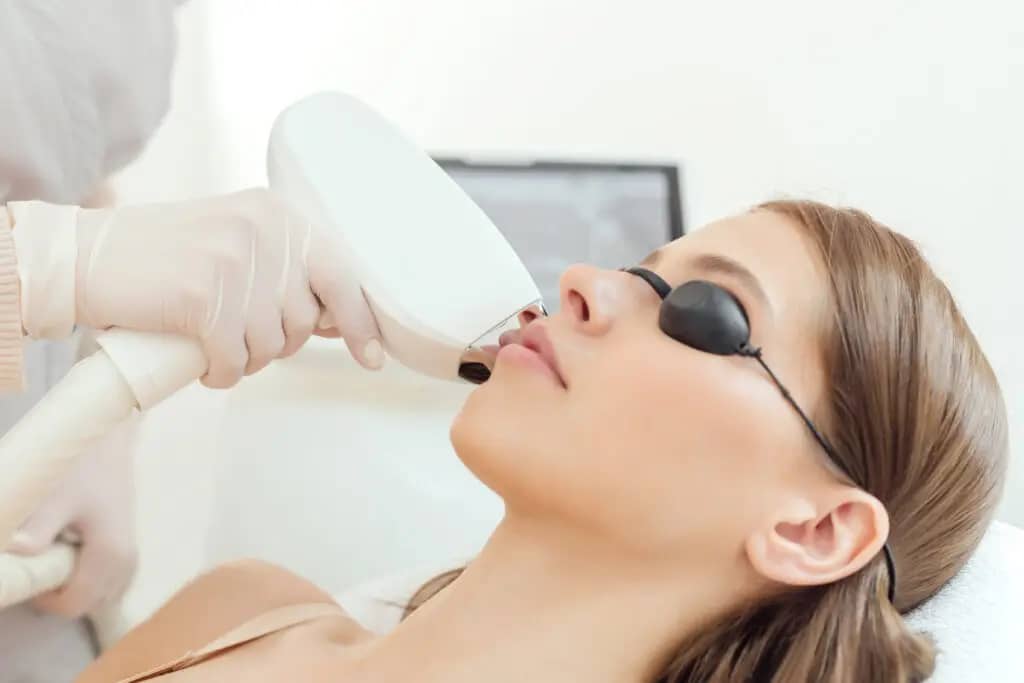
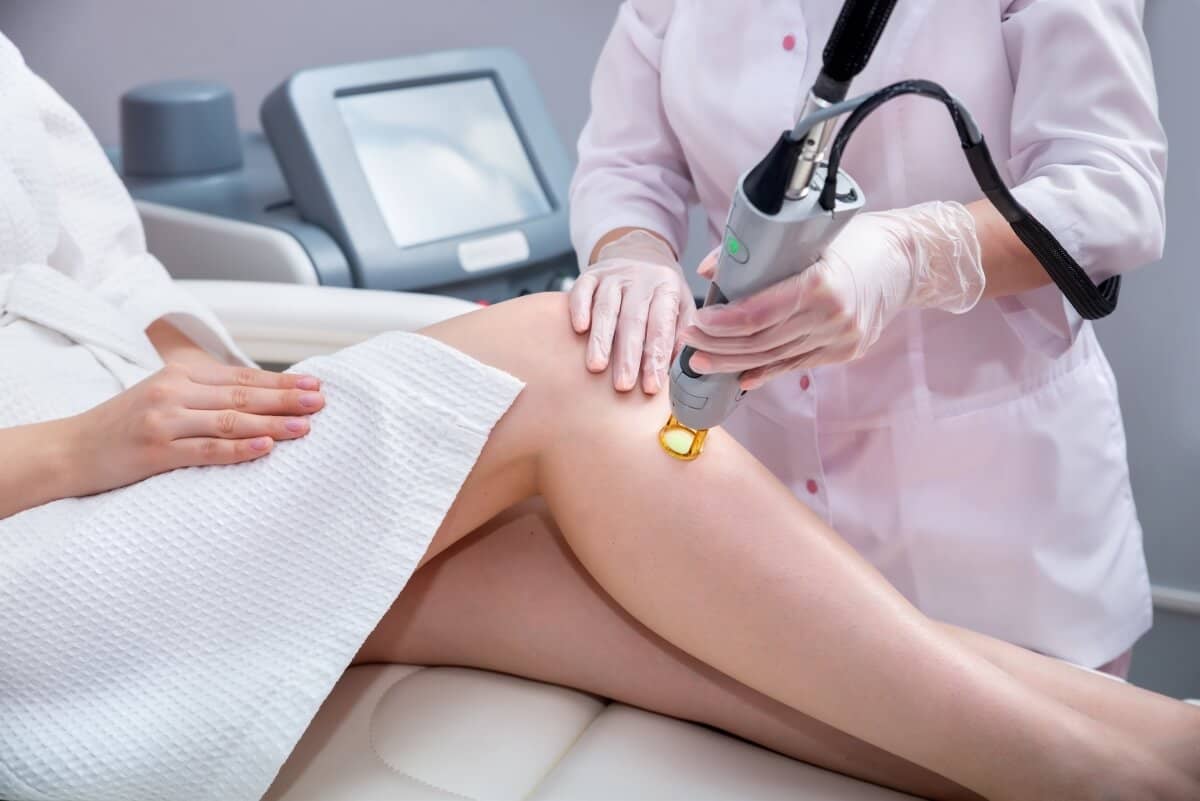
Laser therapy has emerged as a prominent solution for pigmentation removal, offering a minimally invasive approach to address various skin discolorations. Among the most effective lasers used in pigmentation removal treatments are the Q-switched Nd:YAG laser and fractional laser, each with its unique mechanism to target and break down pigmentation.
The Q-switched Nd:YAG laser operates by emitting high-intensity light pulses that specifically target melanin, the pigment responsible for skin color. The melanin absorbs the laser energy, causing the pigmented cells to break down and get naturally eliminated by the body. This laser is particularly effective for treating deeper pigmentation issues such as melasma and tattoo removal.
On the other hand, fractional lasers work by delivering laser energy in a pixelated pattern, creating micro-injuries in the skin. This stimulates the body’s natural healing process to replace damaged skin with new, healthy tissue. Fractional lasers are versatile and can treat a variety of pigmentation problems, including sunspots, age spots, and post-inflammatory hyperpigmentation.
The laser therapy procedure typically involves a consultation to determine the appropriate laser type based on the individual’s skin type and pigmentation issue. During the treatment, patients might experience mild discomfort, akin to a rubber band snapping against the skin. Topical anesthesia is often applied to minimize discomfort.
Expected results from laser therapy include a significant reduction in pigmentation, leading to a more even skin tone. Multiple sessions may be required to achieve optimal results, with each session spaced several weeks apart. Recovery time is generally minimal, with temporary redness and swelling being the most common side effects. It is crucial to follow post-treatment care instructions, such as avoiding sun exposure and using sunscreen, to protect the treated areas and enhance results.
Ideal candidates for laser therapy are those with fair to medium skin tones, as individuals with darker skin may have a higher risk of complications such as hyperpigmentation or hypopigmentation. Recent advancements in laser technology have introduced more precise and safer options, allowing for tailored treatments that minimize risks and improve outcomes.
Chemical Peels
Chemical peels represent a popular and effective method for addressing pigmentation issues. By applying a chemical solution to the skin, peels exfoliate and remove the outermost layers, revealing fresher, more evenly pigmented skin beneath. Various types of chemical peels cater to different skin concerns, including glycolic acid peels, trichloroacetic acid (TCA) peels, and salicylic acid peels.
Glycolic acid peels, derived from sugar cane, are typically used for mild pigmentation issues and are suitable for all skin types. These peels penetrate the outer layer of the skin, making them ideal for addressing surface-level discoloration. TCA peels, on the other hand, penetrate deeper and are often used for more severe pigmentation problems. They are particularly effective for sun damage and melasma. Salicylic acid peels, known for their anti-inflammatory properties, are excellent for individuals with oily or acne-prone skin, as they help to unclog pores and reduce pigmentation related to acne scars.
The procedure for a chemical peel begins with a thorough cleansing of the skin. A dermatologist then applies the chosen peel solution, which remains on the skin for a specified duration. The solution is neutralized and removed, and a soothing ointment is applied to aid in the healing process. Aftercare is crucial, including the use of sunscreen to protect the newly exposed skin and prevent further pigmentation issues.
Benefits of chemical peels include improved skin texture, reduced pigmentation, and a brighter complexion. However, risks such as redness, peeling, and temporary sensitivity should be considered. Most patients see noticeable results within a week, though multiple sessions may be required for optimal outcomes.
“Chemical peels offer a customizable approach to pigmentation removal,” states Dr. Jane Smith, a board-certified dermatologist. “They can be tailored to address specific skin concerns, making them a versatile option for many patients.”
Microdermabrasion and Microneedling
Microdermabrasion and microneedling are two popular minimally invasive pigmentation removal treatments that have gained traction for their effectiveness and relatively short recovery times.
Microdermabrasion involves the mechanical exfoliation of the skin using fine crystals or a diamond-tipped device. This process removes the outermost layer of dead skin cells, promoting the regeneration of new skin. By doing so, it can help reduce the appearance of hyperpigmentation, age spots, and other skin discolorations. The procedure is generally quick, often lasting about 30 minutes, and requires no downtime, making it a convenient option for those with busy schedules. However, patients may experience slight redness and sensitivity post-treatment, which usually subsides within a few hours.
Microneedling, on the other hand, utilizes a device equipped with fine needles to create micro-injuries on the skin’s surface. These controlled injuries stimulate the body’s natural healing process, boosting collagen and elastin production. This not only helps in diminishing pigmentation but also improves overall skin texture and firmness. The procedure typically takes around an hour, and while it is minimally invasive, patients might experience mild swelling and redness for a day or two post-treatment. Microneedling has shown promising results across various skin types, particularly for those with deeper pigmentation issues.
When comparing the two methods, microdermabrasion is generally suitable for superficial pigmentation and is ideal for individuals with sensitive skin, as it is less likely to cause irritation. Microneedling, however, offers deeper penetration and is more effective for stubborn pigmentation and overall skin rejuvenation. Both treatments require a series of sessions for optimal results, and it is crucial to follow proper aftercare, such as avoiding sun exposure and using gentle skincare products.
Recent innovations in these treatments include the use of advanced microdermabrasion devices that combine exfoliation with the infusion of serums tailored to specific skin concerns. Similarly, microneedling has evolved with the advent of devices that incorporate radiofrequency energy, enhancing the treatment’s efficacy and offering more significant improvements in pigmentation and skin texture.
Patient experiences and expert opinions consistently highlight the efficacy of both treatments in managing pigmentation issues. Dermatologists often recommend a tailored approach, combining these methods with other treatments for comprehensive skin care.