Top Anti-Aging Treatments in 2024
One of the most popular anti-aging treatments in 2024 is the use of injectables. These include dermal fillers and neuromodulators, such as Botox. Dermal fillers are substances that are injected into the skin to restore volume, smooth out wrinkles, and enhance facial contours. They work by plumping up the skin and stimulating collagen production, which can help improve the appearance of fine lines and wrinkles.
Neuromodulators, on the other hand, are injectables that target the muscles responsible for causing wrinkles. Botox, for example, temporarily paralyzes the muscles that create frown lines and crow’s feet, resulting in a smoother and more youthful appearance. These injectables are quick, relatively painless, and provide noticeable results, making them a popular choice for those looking for a non-surgical anti-aging solution.
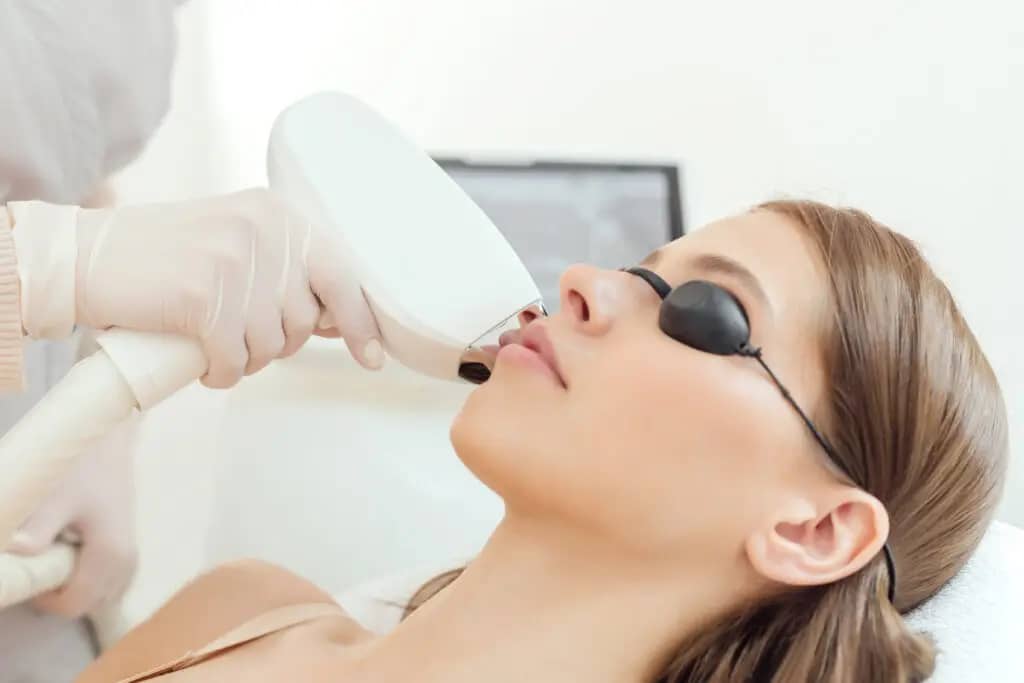
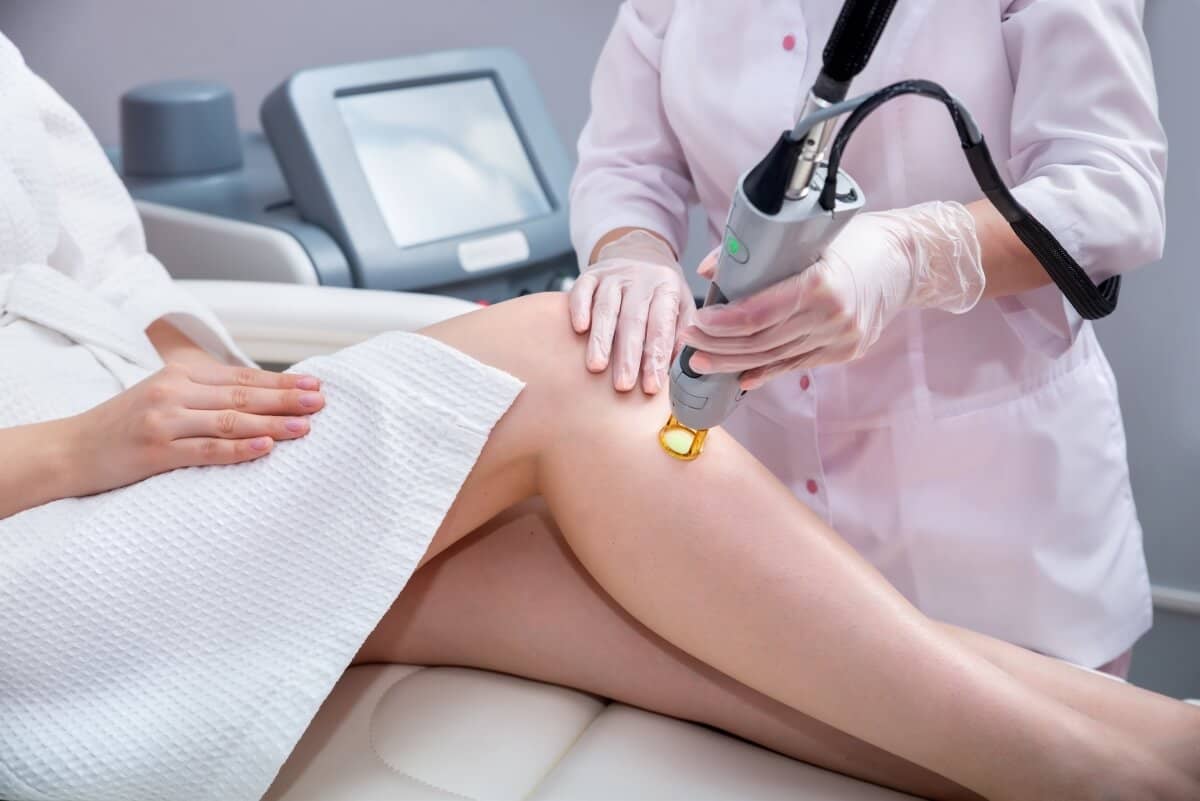
In addition to injectables, there are also a variety of advanced laser and light-based treatments that can help reverse the signs of aging. These treatments work by stimulating collagen production and targeting specific skin concerns, such as pigmentation, sun damage, and uneven skin tone. Laser resurfacing, for example, uses a laser to remove the outer layers of the skin, promoting the growth of new, healthier skin cells.
Another innovative anti-aging treatment gaining popularity in 2024 is the use of regenerative medicine. This approach involves using stem cells, growth factors, and other biologically active substances to rejuvenate the skin and promote healing. Stem cell therapy, for example, uses stem cells derived from the patient’s own body to stimulate collagen production and improve skin texture and elasticity.
Furthermore, advancements in skincare technology have led to the development of high-tech devices that can be used at home to achieve professional-grade results. These devices, such as LED light therapy masks and microcurrent devices, utilize cutting-edge technology to stimulate collagen production, reduce wrinkles, and improve overall skin health.
It is important to note that while these treatments can be highly effective, they are not without risks. It is crucial to consult with a qualified dermatologist or aesthetician before undergoing any anti-aging treatment to ensure that it is suitable for your skin type and concerns. Additionally, it is important to follow a comprehensive skincare routine that includes daily sun protection, proper hydration, and a healthy lifestyle to maintain the results of these treatments.
In conclusion, the field of anti-aging treatments has come a long way in 2024, offering a wide range of innovative solutions to help individuals achieve youthful and radiant skin. From injectables and laser treatments to regenerative medicine and high-tech devices, there are options available for everyone. By staying informed and seeking professional guidance, you can find the best anti-aging treatment that suits your needs and goals.
1. Retinoids: The Gold Standard
When it comes to anti-aging treatments, retinoids have long been considered the gold standard. These vitamin A derivatives are known for their ability to stimulate collagen production, reduce fine lines and wrinkles, and even out skin tone. In 2024, retinoids have become even more advanced, with new formulations and delivery systems that enhance their effectiveness while minimizing potential side effects.
One of the key advancements in retinoid technology is the development of encapsulated retinol. This innovative delivery system allows for a slower release of the active ingredient, reducing the likelihood of irritation while still providing the desired anti-aging benefits. Additionally, there are now retinoid alternatives available, such as bakuchiol, a natural plant extract that has been shown to have similar effects to retinol.
When incorporating retinoids into your skincare routine, it is essential to start slowly and gradually increase usage to allow your skin to adjust. Begin by applying a pea-sized amount of retinoid cream or serum to clean, dry skin every other night, and gradually increase to nightly use as tolerated. It is also crucial to wear sunscreen during the day, as retinoids can increase sun sensitivity.
Aside from their anti-aging properties, retinoids also offer a range of other benefits for the skin. They can help to unclog pores and reduce acne breakouts, making them a popular choice for those with oily or acne-prone skin. Retinoids can also improve the texture and tone of the skin, resulting in a smoother, more radiant complexion.
Retinoids work by binding to specific receptors in the skin, which then triggers a series of cellular changes. These changes include an increase in collagen production, which helps to plump the skin and reduce the appearance of wrinkles. Retinoids also promote the turnover of skin cells, helping to slough off dead skin cells and reveal fresher, younger-looking skin underneath.
While retinoids are highly effective, they can also be quite potent, and some individuals may experience side effects such as redness, dryness, or flaking. This is why it is crucial to start with a low concentration of retinoid and gradually increase as tolerated. It is also essential to moisturize regularly and use gentle, hydrating skincare products to minimize any potential irritation.
In conclusion, retinoids continue to be the gold standard in anti-aging skincare. With advancements in technology and the development of new delivery systems, these vitamin A derivatives are now more effective and better tolerated than ever before. Whether you choose traditional retinol or explore retinoid alternatives like bakuchiol, incorporating these powerful ingredients into your skincare routine can help you achieve smoother, more youthful-looking skin.
2. Non-Invasive Skin Tightening
In the past, achieving firmer, tighter skin often required invasive procedures such as facelifts or laser resurfacing. However, in 2024, non-invasive skin tightening treatments have become increasingly popular for their ability to provide noticeable results without the need for surgery.
One of the most effective non-invasive skin tightening treatments is radiofrequency (RF) therapy. This treatment uses RF energy to heat the deeper layers of the skin, stimulating collagen production and tightening the skin. RF therapy can be used on various areas of the body, including the face, neck, arms, and abdomen, making it a versatile option for addressing sagging skin and wrinkles.
RF therapy works by delivering controlled heat to the targeted area, which stimulates the production of collagen, a protein that gives the skin its elasticity and firmness. As we age, the production of collagen slows down, leading to sagging and wrinkles. By stimulating collagen production, RF therapy helps to tighten and rejuvenate the skin, giving it a more youthful appearance.
Another non-invasive skin tightening treatment that has gained popularity is ultrasound therapy. This treatment utilizes ultrasound waves to stimulate collagen production and lift and tighten the skin. Ultrasound therapy is particularly effective for targeting areas with more significant sagging, such as the jowls or brow area.
Ultrasound therapy works by emitting high-frequency sound waves that penetrate deep into the skin, causing a gentle heating effect. This heat stimulates the production of collagen, which in turn tightens and lifts the skin. The results of ultrasound therapy are gradual and continue to improve over time as the collagen production increases.
Both RF therapy and ultrasound therapy are typically comfortable and require little to no downtime. However, it is essential to consult with a qualified professional to determine the most suitable treatment for your specific needs and goals. They will assess your skin condition, discuss your desired outcomes, and recommend the most appropriate treatment plan.
Non-invasive skin tightening treatments have revolutionized the cosmetic industry, providing individuals with a safe and effective alternative to invasive procedures. With advancements in technology, these treatments are becoming even more precise and tailored to individual needs, offering natural-looking results without the risks and downtime associated with surgery.
3. Platelet-Rich Plasma (PRP) Therapy
Platelet-Rich Plasma (PRP) therapy, also known as a vampire facial, has gained significant attention in recent years for its rejuvenating effects on the skin. This treatment involves extracting a small amount of the patient’s blood, processing it to isolate the platelet-rich plasma, and then injecting it back into the skin.
PRP therapy works by harnessing the growth factors and healing properties present in the platelets to stimulate collagen production and improve skin texture and tone. It can be used to address a variety of skin concerns, including fine lines, wrinkles, acne scars, and uneven pigmentation.
In 2024, PRP therapy has become even more advanced with the introduction of microneedling. This combination treatment involves using a device with tiny needles to create microchannels in the skin, allowing for better absorption of the PRP. The microneedling process itself also stimulates collagen production, further enhancing the anti-aging effects of the treatment.
One of the key benefits of PRP therapy is its ability to promote natural healing and regeneration within the skin. The platelets in the PRP release growth factors that stimulate the production of new collagen and elastin, which are essential for maintaining the skin’s elasticity and firmness. This not only helps to reduce the appearance of fine lines and wrinkles but also improves the overall texture and tone of the skin.
Another advantage of PRP therapy is its versatility. It can be used on various areas of the body, including the face, neck, hands, and even the scalp. This makes it an excellent option for individuals looking to address multiple skin concerns or those who want to achieve a more youthful appearance overall.
Moreover, PRP therapy is a minimally invasive procedure that typically requires little to no downtime. Most patients can resume their normal activities immediately after the treatment. However, some mild redness, swelling, or bruising may occur, which usually subsides within a few days.
It is important to note that PRP therapy is not a one-time solution. While some individuals may see noticeable results after a single treatment, most will require a series of sessions to achieve optimal results. The number of sessions needed will depend on the individual’s specific concerns and goals.
Overall, PRP therapy offers a safe and natural option for individuals seeking to improve the overall quality of their skin. However, it is essential to consult with a qualified professional who can properly perform the procedure and ensure optimal results. By combining the regenerative power of platelet-rich plasma with the collagen-stimulating effects of microneedling, PRP therapy has become an even more advanced and effective treatment option in the field of aesthetic medicine.
Another significant advancement in laser skin resurfacing in 2024 is the introduction of combination treatments. This approach involves using multiple types of lasers during a single session to target different skin concerns simultaneously. For example, a combination treatment may involve using a fractionated laser to address texture and pigmentation issues, while a non-ablative laser is used to stimulate collagen production and improve skin tone. Furthermore, the use of laser technology in skin resurfacing has expanded beyond just the face. In 2024, lasers are now being used on other areas of the body, such as the neck, chest, and hands, to rejuvenate and improve the appearance of these often neglected areas. This allows individuals to achieve a more comprehensive and harmonious rejuvenation of their overall appearance. In terms of accessibility, advancements in laser technology have also made these treatments more affordable and efficient. The development of portable and handheld lasers has allowed for treatments to be performed in a wider range of settings, such as medical spas and dermatology clinics. These portable lasers are also more cost-effective, making laser skin resurfacing a viable option for a larger demographic. In addition to the technological advancements, the field of laser skin resurfacing has also seen improvements in post-treatment care. In 2024, there are now a variety of skincare products specifically formulated to enhance and prolong the results of laser treatments. These products often contain ingredients such as hyaluronic acid, vitamin C, and peptides, which help to hydrate the skin, promote collagen production, and protect against environmental damage. Overall, laser skin resurfacing in 2024 has become a highly customizable and accessible treatment option for individuals looking to improve their skin’s texture, reduce wrinkles, and address various skin concerns. With advancements in laser technology, combination treatments, expanded treatment areas, and improved post-treatment care, individuals can now achieve more effective and long-lasting results than ever before. However, it is crucial to consult with a qualified professional to ensure that the treatment is tailored to one’s specific needs and performed safely.
5. Nutritional Supplements for Skin Health
While external treatments play a crucial role in anti-aging, it is also important to nourish your skin from within. In 2024, there is a growing emphasis on the role of nutrition in maintaining youthful and healthy skin.
One of the key nutritional supplements for skin health is collagen peptides. Collagen is the main structural protein in the skin, and supplementing with collagen peptides has been shown to improve skin elasticity, hydration, and overall appearance. Collagen peptides can be taken in powder or capsule form and are easily incorporated into your daily routine.
In addition to collagen peptides, other supplements such as vitamin C, vitamin E, and omega-3 fatty acids have also been found to promote skin health. These nutrients help protect the skin from oxidative damage, support collagen production, and maintain overall skin integrity.
Another important supplement for skin health is biotin. Biotin, also known as vitamin B7, is essential for the metabolism of fatty acids and amino acids, which are important building blocks for healthy skin. Biotin deficiency can lead to dry, itchy skin, and supplementing with biotin can help improve skin health and appearance.
Furthermore, antioxidants such as vitamin A, vitamin D, and selenium are also beneficial for skin health. These antioxidants help neutralize free radicals, which are unstable molecules that can damage the skin cells and contribute to premature aging. By incorporating these antioxidants into your diet or through supplements, you can protect your skin from oxidative stress and maintain a youthful complexion.
It is important to note that while nutritional supplements can complement your skincare routine, they should not replace a balanced diet. A well-rounded diet that includes a variety of fruits, vegetables, whole grains, lean proteins, and healthy fats is essential for overall health and skin vitality. It is always best to consult with a healthcare professional before starting any new supplements to ensure they are suitable for your individual needs and to determine the appropriate dosage.