What is Fractional Laser Resurfacing?
Fractional laser resurfacing is a popular cosmetic procedure that uses laser technology to improve the appearance of the skin. It is a non-invasive treatment that targets a variety of skin concerns, including wrinkles, fine lines, scars, sun damage, and uneven skin tone.
The procedure works by creating tiny micro-injuries in the skin, which stimulate the body’s natural healing process. This leads to the production of new collagen and elastin, two proteins that are essential for healthy, youthful-looking skin. The laser also removes the top layer of dead skin cells, revealing fresher, smoother skin underneath.
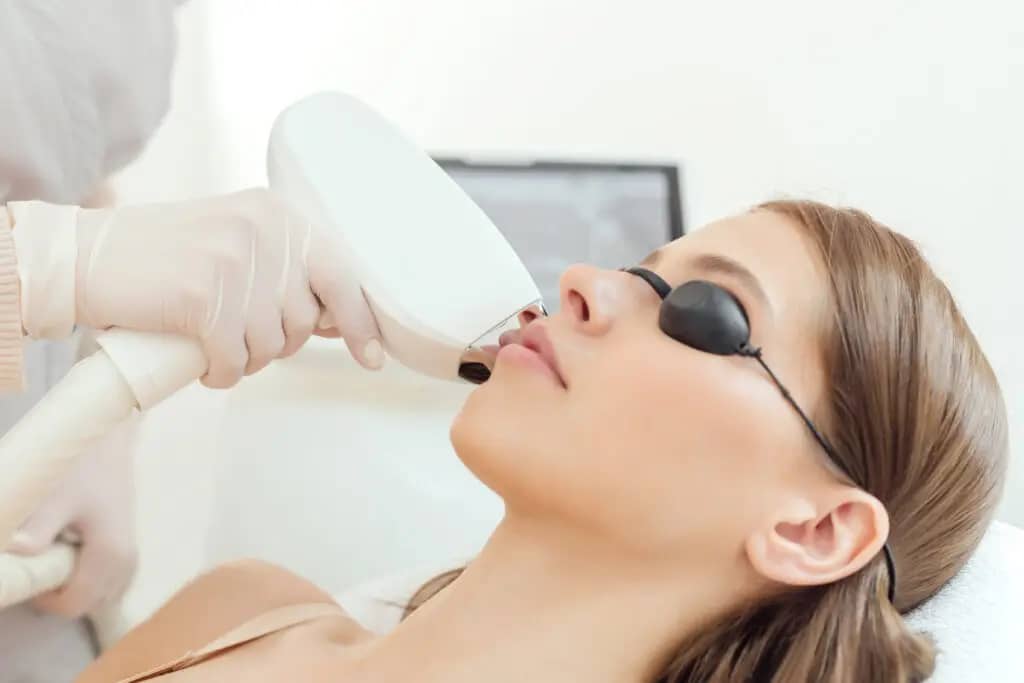
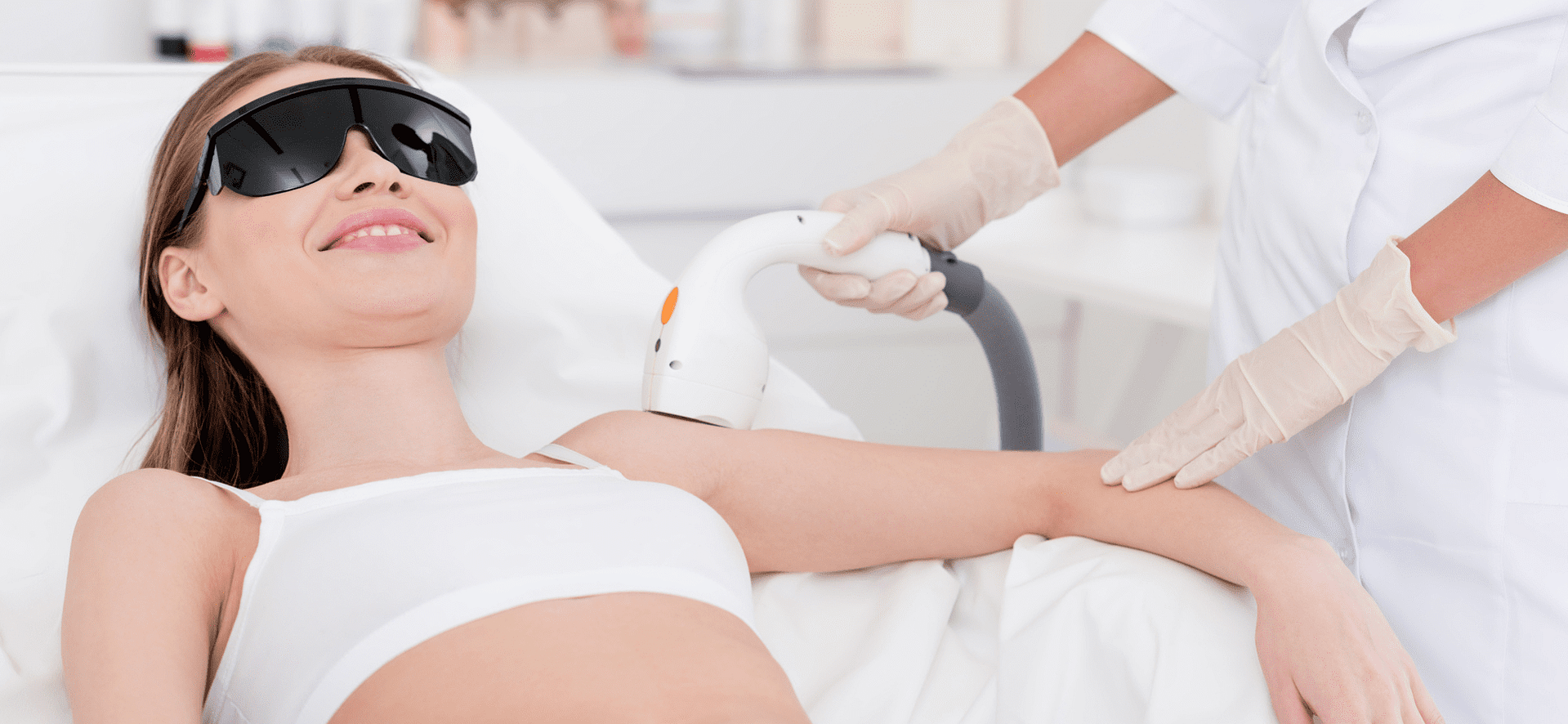
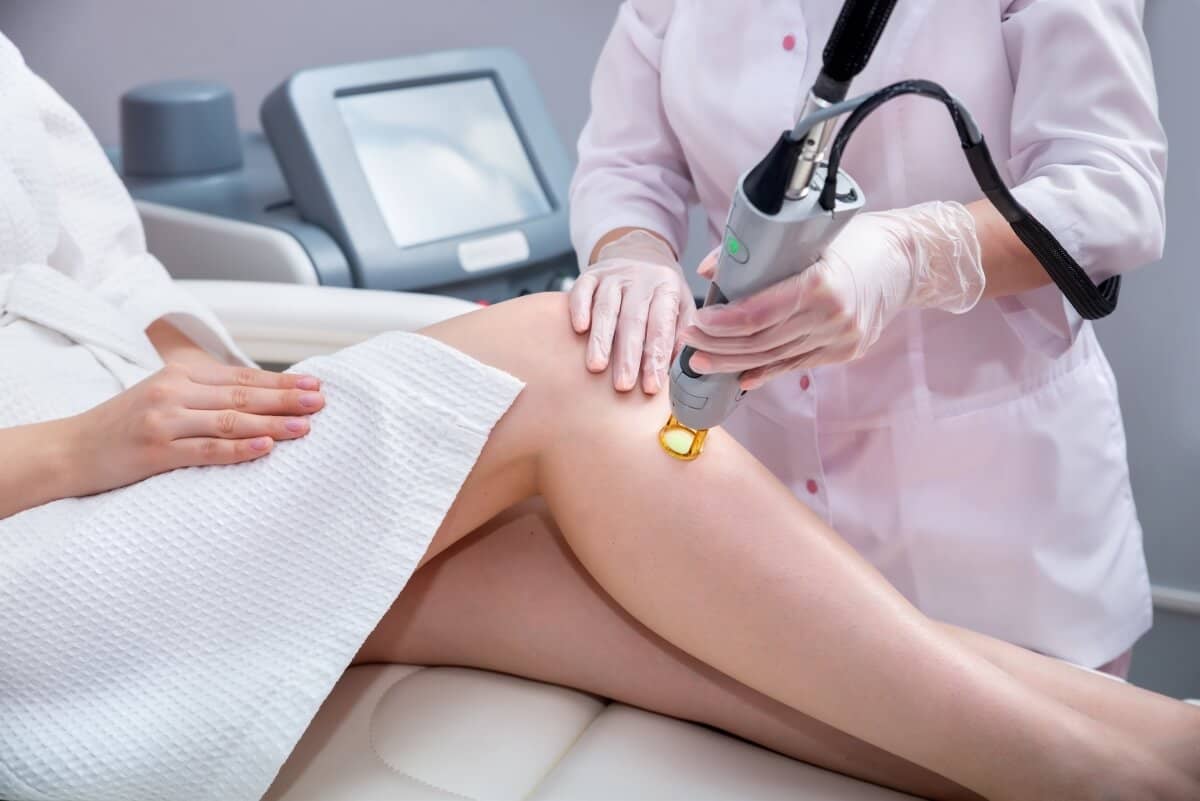
Fractional laser resurfacing can be used on various areas of the body, such as the face, neck, chest, hands, and arms. It is commonly performed by dermatologists or plastic surgeons in a medical setting. Before the procedure, the skin is thoroughly cleansed and a topical numbing cream may be applied to minimize any discomfort. The laser is then carefully adjusted to the appropriate settings based on the individual’s skin type and concerns.
During the treatment, the laser is passed over the skin in a controlled manner, delivering precise and targeted energy. The fractional technology allows the laser to create tiny columns of heat in the skin, leaving surrounding areas untouched. This fractional approach promotes faster healing and reduces the risk of complications.
After the procedure, the treated area may appear red and swollen, similar to a mild sunburn. Some patients may also experience a sensation of warmth or tightness in the skin. These side effects are temporary and typically subside within a few days. It is important to follow the post-treatment instructions provided by the healthcare professional to ensure proper healing and minimize the risk of complications.
The results of fractional laser resurfacing are gradual and progressive. Most patients notice an improvement in their skin texture and tone within a few weeks of the treatment. However, optimal results may take several months to fully develop as the collagen and elastin continue to rebuild. Multiple sessions may be recommended for individuals with more severe skin concerns.
Overall, fractional laser resurfacing is a safe and effective option for individuals looking to rejuvenate their skin and address various skin concerns. It offers a non-invasive alternative to more aggressive procedures, such as traditional ablative laser resurfacing or surgical interventions. However, it is important to consult with a qualified healthcare professional to determine if this treatment is suitable for your specific needs and goals.
How Does Fractional Laser Resurfacing Work?
During a fractional laser resurfacing treatment, a laser device is used to deliver precise beams of light to the targeted areas of the skin. These beams are divided into thousands of microscopic treatment zones, leaving the surrounding skin untouched.
The laser energy heats the skin, which stimulates collagen production and triggers the skin’s natural healing response. The damaged skin cells are then replaced with new, healthier cells, resulting in improved skin texture and tone.
There are two main types of fractional laser resurfacing: ablative and non-ablative. Ablative lasers remove the outer layer of skin, while non-ablative lasers work by heating the underlying skin layers without damaging the surface.
Ablative fractional laser resurfacing is a more aggressive treatment that is typically used for more severe skin concerns, such as deep wrinkles, acne scars, and sun damage. The laser energy vaporizes the outer layer of skin, removing damaged cells and stimulating the production of new collagen. This results in significant skin rejuvenation but requires a longer recovery time.
Non-ablative fractional laser resurfacing, on the other hand, is a milder treatment that is often used for mild to moderate skin concerns. The laser energy penetrates the skin without removing the outer layer, targeting the deeper layers to stimulate collagen production. This treatment is less invasive and requires little to no downtime.
Both ablative and non-ablative fractional laser resurfacing can be customized to meet the individual needs of the patient. The intensity of the laser energy, the number of treatment zones, and the depth of penetration can all be adjusted to achieve the desired results.
Fractional laser resurfacing is a versatile treatment that can address a wide range of skin concerns, including wrinkles, fine lines, acne scars, sun damage, uneven skin tone, and texture irregularities. It is a popular choice for those looking to improve the overall appearance and quality of their skin.
Before undergoing fractional laser resurfacing, it is important to consult with a qualified dermatologist or cosmetic surgeon to determine if this treatment is suitable for your skin type and concerns. They will assess your skin and develop a personalized treatment plan to achieve the best possible results.
Benefits of Fractional Laser Resurfacing
Fractional laser resurfacing offers a range of benefits for those looking to improve the appearance of their skin:
1. Reduction of Wrinkles and Fine Lines
Fractional laser resurfacing can effectively reduce the appearance of wrinkles and fine lines, giving the skin a smoother, more youthful appearance. The laser stimulates collagen production, which helps to plump up the skin and fill in lines and wrinkles.
2. Improvement of Skin Tone and Texture
This treatment can also improve skin tone and texture by addressing issues such as uneven pigmentation, sun damage, and acne scars. The laser removes the outer layer of damaged skin cells, revealing fresher, healthier skin underneath.
3. Minimization of Pore Size
Fractional laser resurfacing can help to minimize the appearance of enlarged pores. By stimulating collagen production and tightening the skin, the laser can reduce the size of pores and improve overall skin texture.
4. Treatment of Acne Scars
For those struggling with acne scars, fractional laser resurfacing can be an effective treatment option. The laser targets the scarred areas, stimulating collagen production and promoting the growth of new, healthy skin cells.
5. Quick Recovery Time
Compared to traditional ablative laser resurfacing, fractional laser resurfacing offers a shorter recovery time. The treatment is non-invasive, and most patients can resume their regular activities within a few days.
Overall, fractional laser resurfacing is a versatile and effective treatment for various skin concerns. Whether you want to reduce wrinkles, improve skin tone and texture, minimize pore size, or treat acne scars, this procedure can provide noticeable results. Additionally, the quick recovery time makes it a convenient option for those with busy schedules.
It is important to note that while fractional laser resurfacing can offer significant improvements, multiple sessions may be required to achieve optimal results. The number of sessions needed will depend on the specific concerns being addressed and the individual’s skin type and condition.
Before undergoing fractional laser resurfacing, it is essential to consult with a qualified dermatologist or skincare professional. They will assess your skin and provide personalized recommendations based on your unique needs and goals. Additionally, they will discuss the potential risks and side effects associated with the procedure, ensuring that you are well-informed before making a decision.
In conclusion, fractional laser resurfacing is a safe and effective treatment option for individuals seeking to enhance the appearance of their skin. Whether you are looking to reduce wrinkles, improve skin tone and texture, minimize pore size, or treat acne scars, this procedure can help you achieve your desired results. Consult with a skincare professional to determine if fractional laser resurfacing is the right option for you.
Is Fractional Laser Resurfacing Right for You?
Fractional laser resurfacing is a versatile treatment that can be customized to address a variety of skin concerns. However, it may not be suitable for everyone. It is important to consult with a qualified dermatologist or cosmetic surgeon to determine if this treatment is right for you.
People with certain skin conditions, such as active acne or eczema, may not be good candidates for fractional laser resurfacing. Additionally, individuals with darker skin tones may be at a higher risk of developing pigmentation changes after the treatment.
During your consultation, your provider will assess your skin type and condition, discuss your goals and expectations, and determine if fractional laser resurfacing is the best option for you.
If you have active acne, it is important to address the underlying cause of the acne before considering fractional laser resurfacing. The treatment may not effectively target active acne and could potentially worsen the condition. Your dermatologist or cosmetic surgeon may recommend alternative treatments or a combination of treatments to clear your skin before proceeding with fractional laser resurfacing.
Similarly, if you have eczema or other inflammatory skin conditions, the heat generated by the laser may exacerbate the inflammation and cause further discomfort or complications. In such cases, your provider may suggest alternative treatments that are better suited for your skin condition.
Individuals with darker skin tones may be more prone to developing pigmentation changes after fractional laser resurfacing. This is because the laser targets the pigment in the skin, and in darker skin tones, there is a higher concentration of pigment. Your provider will carefully evaluate your skin tone and discuss the potential risks and benefits of the treatment with you.
It is important to have realistic expectations when considering fractional laser resurfacing. While the treatment can improve the appearance of fine lines, wrinkles, scars, and sun damage, it may not completely eliminate these concerns. Your provider will discuss the expected outcomes with you and help you set realistic goals for the treatment.
In conclusion, fractional laser resurfacing can be an effective treatment for many skin concerns, but it is not suitable for everyone. Consulting with a qualified professional is essential to determine if this treatment is right for you and to ensure that you achieve the best possible results.
What to Expect During a Fractional Laser Resurfacing Treatment
Prior to your treatment, you will have a consultation with your provider to discuss your goals, medical history, and any concerns you may have. They will explain the procedure in detail and provide you with pre-treatment instructions.
On the day of your treatment, your skin will be cleansed, and a topical numbing cream may be applied to ensure your comfort during the procedure. Protective eyewear will also be provided to shield your eyes from the laser.
The laser device will be passed over the targeted areas of your skin, delivering the precise beams of light. You may feel a warm sensation or mild discomfort during the treatment, but it is generally well-tolerated.
After the treatment, your skin may appear red and slightly swollen, similar to a sunburn. This is a normal response and should subside within a few days. Your provider will provide you with post-treatment instructions to promote healing and protect your skin.
It is important to note that the results of fractional laser resurfacing are not immediate. While you may notice some improvement in the texture and tone of your skin right after the treatment, the full effects will gradually become more apparent over the following weeks and months.
During this time, your skin will undergo a process called collagen remodeling. The laser energy stimulates the production of new collagen, which helps to improve the overall appearance of your skin. As the new collagen forms, you may notice a reduction in fine lines, wrinkles, and acne scars, as well as an improvement in skin laxity and pigmentation.
It is also common to experience some peeling or flaking of the skin in the days following the treatment. This is a natural part of the healing process and is necessary for the removal of damaged skin cells and the promotion of new cell growth.
While fractional laser resurfacing can produce significant improvements in the appearance of your skin, it is important to remember that individual results may vary. Factors such as your age, skin type, and the severity of your skin concerns can all influence the outcome of the treatment.
It is recommended to follow a comprehensive skincare routine and protect your skin from excessive sun exposure to maintain the results of your fractional laser resurfacing treatment. Your provider will be able to recommend the appropriate skincare products and advise you on sun protection measures to help you achieve the best possible outcome.
Results and Recovery
The results of fractional laser resurfacing are not immediate. It takes time for the skin to heal and for collagen production to increase. Most patients start to see improvements in their skin texture and tone within a few weeks after treatment.
The number of treatments needed will depend on your individual goals and the condition of your skin. Some people may achieve their desired results with just one treatment, while others may require multiple sessions spaced several weeks apart.
It is important to follow your provider’s post-treatment instructions to ensure proper healing and maximize your results. This may include avoiding sun exposure, using gentle skincare products, and avoiding certain activities that could irritate the skin.
With proper care, the results of fractional laser resurfacing can be long-lasting. However, it is important to maintain a good skincare routine and protect your skin from sun damage to prolong the benefits of the treatment.
In addition to improving skin texture and tone, fractional laser resurfacing can also address other common skin concerns. This includes reducing the appearance of fine lines and wrinkles, minimizing acne scars, and fading hyperpigmentation.
After undergoing fractional laser resurfacing, it is normal to experience some side effects. These can include redness, swelling, and mild discomfort. These side effects are temporary and typically subside within a few days to a week.
During the recovery period, it is important to keep the treated area clean and moisturized. Your provider may recommend specific skincare products to help soothe the skin and promote healing.
In some cases, your provider may also prescribe medications or creams to further enhance the healing process. It is important to follow their instructions closely and attend any follow-up appointments to monitor your progress.
While the recovery process may vary from person to person, most individuals can resume their normal activities within a week of treatment. However, it is important to avoid strenuous exercise and activities that could cause excessive sweating or irritation to the treated area.
If you have any concerns or questions during the recovery period, do not hesitate to reach out to your provider. They are there to support you and ensure that your healing process goes smoothly.
Overall, fractional laser resurfacing is a safe and effective treatment for improving skin texture, tone, and addressing various skin concerns. By following the proper aftercare instructions and maintaining a good skincare routine, you can enjoy the long-lasting benefits of this procedure.
Get A Quote: