The Importance of Facial Hair Removal for Women
Facial hair removal is a common concern for many women. Unwanted facial hair can affect self-esteem and confidence, and finding the best method of removal is crucial for achieving smooth, hair-free skin. In this blog post, we will explore the different options available for facial hair removal and discuss their pros and cons.
One of the most popular methods of facial hair removal is waxing. Waxing involves applying a layer of hot or cold wax to the desired area and then quickly removing it, along with the hair, in one swift motion. This method is effective in removing hair from the root, which means that the results can last for several weeks. However, waxing can be quite painful, especially for those with sensitive skin. It can also cause redness, irritation, and even ingrown hairs if not done correctly.
Another common method of facial hair removal is threading. This technique originated in the Middle East and involves using a twisted thread to remove hair from the follicle. Threading is known for its precision and can be used to shape eyebrows as well. It is a relatively quick and affordable method, but it can be uncomfortable and may cause temporary redness or swelling.
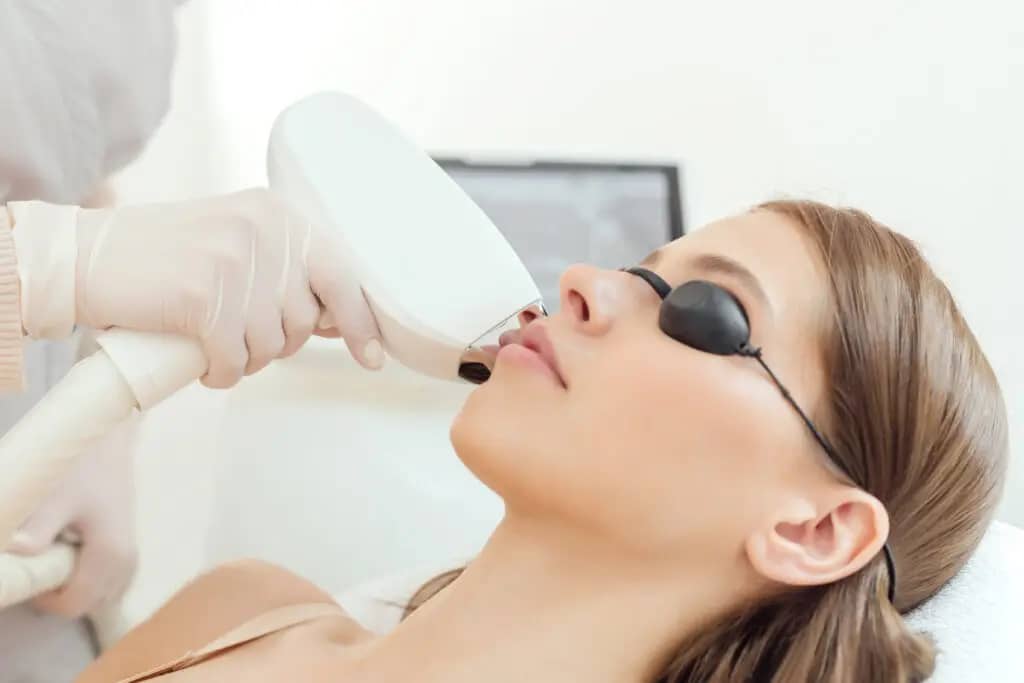
For those looking for a more long-term solution, laser hair removal is a popular option. This method uses concentrated beams of light to target and destroy the hair follicles, preventing future hair growth. Laser hair removal can be done on various parts of the body, including the face, and is known for its effectiveness and long-lasting results. However, it can be quite expensive and may require multiple sessions to achieve the desired outcome.
Electrolysis is another permanent hair removal method that works by inserting a tiny needle into each hair follicle and delivering an electric current to destroy the hair root. This method is time-consuming and can be quite painful, but it is considered the only FDA-approved method for permanent hair removal. Electrolysis is suitable for all skin and hair types and can be used on any part of the body.
Finally, there are also temporary methods of facial hair removal, such as shaving and depilatory creams. Shaving is a quick and easy option but can cause stubble to grow back quickly and may lead to ingrown hairs. Depilatory creams work by breaking down the hair’s protein structure, allowing it to be wiped away. While these methods are convenient, they only provide temporary results and may cause skin irritation or allergic reactions.
In conclusion, facial hair removal is an important aspect of grooming for many women. The choice of method depends on individual preferences, budget, and desired results. It is important to consider the pros and cons of each method and consult with a professional if necessary. With the right approach, women can achieve smooth, hair-free skin and boost their self-confidence.
Despite the drawbacks, shaving remains a popular choice for many women due to its accessibility and affordability. It is a convenient option for those who are constantly on the go and need a quick fix for unwanted facial hair. Shaving is also relatively painless compared to other hair removal methods, such as waxing or threading.
However, it is important to note that shaving does not remove the hair from the root, but rather cuts it at the surface. This means that the hair will grow back relatively quickly, sometimes even within a day or two. This can be frustrating for those who desire longer-lasting results.
Another downside to shaving is the potential for skin irritation. When using a razor, there is a risk of nicking or cutting the skin, which can lead to razor burn or small cuts. This is especially true for those with sensitive skin. Additionally, shaving can sometimes cause ingrown hairs, which occur when the hair curls back into the skin instead of growing straight out.
To minimize the risk of irritation and ingrown hairs, there are a few tips to keep in mind when shaving. First, make sure to use a sharp, clean razor to avoid dragging the blade across the skin. It is also important to prep the skin before shaving by washing the face with warm water and using a shaving cream or gel to provide a smooth surface. Shaving in the direction of hair growth can also help prevent irritation.
Overall, while shaving may be a quick and easy solution for facial hair removal, it is not without its drawbacks. It is important to weigh the pros and cons and consider other hair removal methods that may provide longer-lasting results and less potential for skin irritation.
2. Waxing
Waxing is a popular method of facial hair removal that provides longer-lasting results compared to shaving. It involves applying hot or cold wax to the skin, allowing it to harden, and then removing the wax along with the hair. Waxing can be done at home or by a professional. While it may be slightly painful, the results can last up to four weeks. However, waxing can also cause redness, irritation, and in some cases, skin peeling.
Waxing is not only used for facial hair removal but is also commonly used for hair removal on other parts of the body, such as the legs, arms, and bikini area. The process of waxing involves spreading a thin layer of wax over the desired area and then placing a cloth strip over the wax. The strip is then quickly pulled off in the opposite direction of hair growth, removing the hair from the root. One of the main benefits of waxing is that it provides longer-lasting results compared to shaving. When you shave, you are only cutting the hair at the surface of the skin, which means that it will grow back relatively quickly. With waxing, however, the hair is removed from the root, which means that it takes longer for the hair to grow back. This can be especially beneficial for those who have fast hair growth or who are tired of constantly shaving. Waxing can also lead to smoother skin. When the hair is removed from the root, it leaves behind a smooth surface. This can be particularly noticeable on areas such as the legs or arms, where the skin can feel noticeably smoother after waxing. Additionally, waxing can also help to exfoliate the skin, removing dead skin cells and leaving the skin looking fresh and rejuvenated. However, it is important to note that waxing does come with some potential side effects. As mentioned earlier, waxing can cause redness and irritation, especially for those with sensitive skin. This is because the process of waxing involves pulling the hair out from the root, which can cause some inflammation in the surrounding skin. Additionally, waxing can also lead to skin peeling, especially if the wax is too hot or if it is left on the skin for too long. To minimize these side effects, it is important to prepare the skin properly before waxing. This includes exfoliating the skin a day or two before waxing to remove any dead skin cells and to help the wax adhere better to the hair. It is also important to apply a soothing lotion or aloe vera gel after waxing to help calm the skin and reduce any redness or irritation. In conclusion, waxing is a popular method of facial hair removal that provides longer-lasting results compared to shaving. It can be done at home or by a professional and can be used on various parts of the body. While it may come with some potential side effects, proper preparation and aftercare can help minimize these issues. Overall, waxing can be an effective and efficient way to remove unwanted hair and achieve smooth, hair-free skin.
3. Threading
Threading is an ancient technique that originated in the Middle East and is now widely used for facial hair removal. It involves using a twisted thread to trap and remove individual hairs from the root. Threading is known for its precision and effectiveness in shaping eyebrows, but it can also be used to remove unwanted facial hair. This method is relatively quick and provides longer-lasting results compared to shaving. However, threading can be painful, especially for those with sensitive skin.
Threading is a popular choice for many individuals due to its numerous benefits. One of the main advantages of threading is its precision. Unlike other hair removal methods, such as waxing or tweezing, threading allows for the removal of individual hairs with great accuracy. This is particularly beneficial when it comes to shaping eyebrows, as it enables the creation of clean, well-defined arches. Moreover, threading is a gentle method of hair removal. Since only the thread comes into contact with the skin, there is minimal risk of irritation or allergic reactions. This makes threading suitable for individuals with sensitive skin or those prone to breakouts. Additionally, threading does not involve the use of any chemicals or harsh substances, making it a natural and eco-friendly option. Another advantage of threading is its long-lasting results. When the hair is removed from the root, it takes longer to grow back compared to shaving or using depilatory creams. This means that individuals who choose threading can enjoy smoother skin for a longer period of time. The regrowth of hair is also finer and softer, making it less noticeable and reducing the need for frequent touch-ups. Despite its many benefits, it is important to note that threading can be a painful experience, especially for individuals with sensitive skin. The twisting motion of the thread can cause a tingling or stinging sensation, which some may find uncomfortable. However, the pain is usually brief and diminishes over time as the skin becomes accustomed to the technique. In conclusion, threading is an ancient hair removal technique that offers precision, long-lasting results, and a gentle approach. Whether used for shaping eyebrows or removing unwanted facial hair, threading provides an effective alternative to other methods. While it may be painful for some, the benefits of threading make it a popular choice for those seeking a natural and efficient way to achieve smooth, hair-free skin.
4. Depilatory Creams
Depilatory creams, also known as hair removal creams, are another option for facial hair removal. These creams contain chemicals that break down the hair, allowing it to be wiped away. Depilatory creams are easy to use and provide results that last longer than shaving, usually up to a week. However, they can cause skin irritation and may not be suitable for those with sensitive skin. It is essential to follow the instructions carefully and perform a patch test before using a depilatory cream on your face.
When using a depilatory cream, it is important to choose one that is specifically formulated for facial hair removal. These creams are designed to be gentle on the delicate skin of the face and are less likely to cause irritation. Before applying the cream, make sure your face is clean and dry. Apply a thick, even layer of the cream to the desired area, making sure to cover all the hair you want to remove. Avoid getting the cream too close to your eyes or mouth.
Leave the cream on for the recommended amount of time, usually around five to ten minutes. It is important not to exceed the recommended time, as leaving the cream on for too long can cause skin irritation. After the specified time, use a damp cloth or sponge to gently wipe away the cream and hair. Rinse your face thoroughly with water to remove any remaining residue.
After using a depilatory cream, it is common to experience some redness or mild irritation. This is usually temporary and should subside within a few hours. However, if you experience any severe or prolonged irritation, it is best to discontinue use and consult a dermatologist.
It is important to note that depilatory creams do not provide a permanent solution to facial hair removal. The hair will eventually grow back, and you will need to repeat the process. Additionally, depilatory creams may not be as effective on coarse or thick hair. If you have concerns about the effectiveness of depilatory creams for your specific hair type, it may be best to consult a professional esthetician or dermatologist for alternative hair removal options.
In conclusion, depilatory creams can be a convenient and effective option for facial hair removal. They offer longer-lasting results than shaving and are relatively easy to use. However, they may not be suitable for those with sensitive skin and can cause temporary skin irritation. It is essential to carefully follow the instructions and perform a patch test before using a depilatory cream on your face. If you have any concerns or experience severe irritation, it is best to consult a dermatologist for further advice.
5. Laser Hair Removal
Laser hair removal is a long-term solution for facial hair removal. It involves using a laser to target and destroy the hair follicles, preventing future hair growth. The laser emits a concentrated beam of light that is absorbed by the pigment in the hair follicles. This causes the hair follicles to heat up and become damaged, inhibiting their ability to produce new hair. Over time, with repeated sessions, the hair follicles are permanently disabled, resulting in smooth, hair-free skin.
One of the main advantages of laser hair removal is its long-lasting effects. Unlike other hair removal methods such as shaving or waxing, which only provide temporary results, laser hair removal offers a more permanent solution. After completing the recommended number of sessions, most individuals experience a significant reduction in hair growth, with some even achieving complete hair removal in the treated areas.
However, it is important to note that laser hair removal is not a one-time procedure. Multiple sessions are required to achieve the desired results. The number of sessions needed varies depending on factors such as the individual’s hair type, skin color, and the area being treated. Generally, a series of six to eight sessions spaced several weeks apart is recommended for optimal results.
Another consideration when opting for laser hair removal is the cost. Laser hair removal can be quite expensive compared to other hair removal methods. The cost varies depending on factors such as the size of the treatment area and the number of sessions required. It is advisable to consult with a reputable clinic to get an accurate estimate of the cost and to inquire about any available package deals or discounts.
Choosing a reputable clinic is crucial when undergoing laser hair removal. It is important to research and select a clinic that employs qualified and experienced professionals. The technicians performing the procedure should be trained in using the laser equipment and have a thorough understanding of the different skin types and hair colors. Additionally, the clinic should prioritize safety and hygiene, ensuring that the equipment is properly maintained and sanitized between treatments.
Aftercare is also an essential aspect of laser hair removal. Following the post-treatment instructions provided by the clinic is crucial for minimizing the risk of side effects and optimizing the results. This may include avoiding sun exposure, using sunscreen, and refraining from activities that may irritate the treated area, such as excessive sweating or hot baths. It is important to follow these guidelines to ensure the best possible outcome and reduce the chances of complications.
In conclusion, laser hair removal is a popular choice for individuals seeking a long-term solution for facial hair removal. It offers the advantage of permanent hair reduction, but it requires multiple sessions and can be costly. Choosing a reputable clinic and adhering to the aftercare instructions are key to achieving optimal results and minimizing the risk of side effects. With proper research and consideration, laser hair removal can be an effective and worthwhile investment in achieving smooth, hair-free skin.
6. Electrolysis
Electrolysis is another permanent method of facial hair removal. It involves inserting a tiny needle into each hair follicle and delivering an electric current to destroy the hair root. This process is known as galvanic electrolysis, and it works by creating a chemical reaction within the hair follicle that ultimately causes the destruction of the hair growth cells.
Unlike laser hair removal, electrolysis is effective for all hair colors and types. Whether you have light blonde hairs or dark, coarse ones, electrolysis can target and eliminate them. This makes it a suitable option for individuals who have been unsuccessful with other hair removal methods due to their hair color or texture.
One of the advantages of electrolysis is its versatility. It can be used on any part of the face, including the upper lip, chin, eyebrows, and even the hairline. This makes it an ideal choice for individuals who struggle with excessive hair growth in multiple facial areas.
However, it’s important to note that electrolysis is not a quick fix. Like laser hair removal, it requires multiple sessions to achieve the desired results. The number of sessions needed depends on various factors, including the density of hair growth and the size of the treatment area. Typically, electrolysis sessions can range from 15 minutes to an hour, depending on the extent of the hair removal required.
Another consideration when opting for electrolysis is the cost. Compared to other hair removal methods, electrolysis can be more expensive due to the number of sessions required. Additionally, the expertise and experience of the electrologist performing the procedure can also influence the cost. It is essential to choose a certified and reputable electrologist to ensure safe and effective treatment.
Despite the time and cost involved, electrolysis offers a permanent solution to facial hair removal. Once the hair follicles are destroyed, they do not regenerate, resulting in long-lasting results. However, occasional touch-up sessions may be required to address any new hair growth that may occur due to hormonal changes or other factors.
In conclusion, electrolysis is a versatile and effective method for permanent facial hair removal. It can be used on all hair colors and types and can target any area of the face. While it may require multiple sessions and can be costly, the results are long-lasting, making it a popular choice for individuals seeking a permanent solution to unwanted facial hair.
Choosing the Best Facial Hair Removal Method
When it comes to choosing the best method of facial hair removal, it is essential to consider your individual needs and preferences. Factors such as pain tolerance, budget, and desired results should all be taken into account. It may also be helpful to consult with a dermatologist or esthetician who can provide personalized recommendations based on your specific skin type and concerns.
In addition to considering these factors, it is important to understand the different options available for facial hair removal. One popular method is shaving, which is quick and convenient. However, it only provides temporary results and may cause irritation or ingrown hairs for some individuals. Waxing is another common option, offering longer-lasting results by removing hair from the root. However, it can be painful and may not be suitable for those with sensitive skin.
For those seeking a more permanent solution, laser hair removal and electrolysis are worth considering. Laser hair removal uses laser technology to target and destroy hair follicles, resulting in long-term reduction of hair growth. It is a relatively painless procedure, but multiple sessions are usually required for optimal results. On the other hand, electrolysis is a method that involves inserting a tiny needle into each hair follicle and delivering an electric current to destroy it. It is a time-consuming process, but it is considered the only permanent hair removal method approved by the FDA.
When deciding on the best facial hair removal method, it is crucial to weigh the pros and cons of each option. Consider factors such as the level of discomfort, the duration of results, and the cost involved. Additionally, take into account any potential side effects or risks associated with each method. For example, laser hair removal may not be suitable for individuals with certain skin types or medical conditions. It is always recommended to consult with a professional to determine the most suitable method for your specific needs.
In conclusion, there are several options available for facial hair removal for women. Whether you prefer a quick and temporary solution like shaving, a longer-lasting method like waxing, or a more permanent solution like laser hair removal or electrolysis, there is a method that can suit your needs. It is important to weigh the pros and cons of each method and choose one that fits your lifestyle and budget. Remember to always follow the instructions carefully and prioritize the health and well-being of your skin.