Ocular Rosacea – What is it?
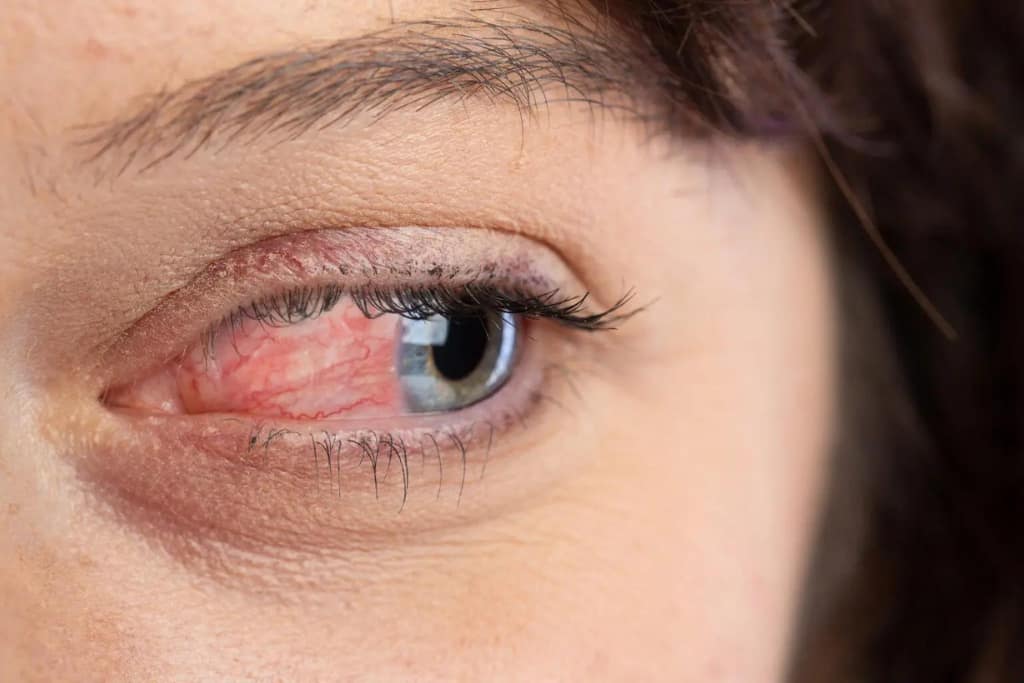
Ocular rosacea is a chronic inflammatory condition that affects the eyes. It is a subtype of rosacea, a skin condition that primarily affects the face. Ocular rosacea typically occurs in individuals who already have rosacea on their skin, but it can also develop independently.
Symptoms of Ocular Rosacea
Ocular rosacea can cause a range of symptoms, which may vary from person to person. Some common symptoms include:
- Dry eyes: Ocular rosacea can lead to dryness, grittiness, and a sensation of burning or stinging in the eyes.
- Redness: The eyes may appear bloodshot or have a pinkish hue.
- Irritation: Ocular rosacea can cause itching, tearing, and a feeling of foreign body sensation in the eyes.
- Sensitivity to light: Individuals with ocular rosacea may experience increased sensitivity to light, known as photophobia.
- Blurred vision: In some cases, ocular rosacea can cause blurry or hazy vision.
- Swollen eyelids: The eyelids may become swollen and appear red or inflamed.
Causes of Ocular Rosacea
The exact cause of ocular rosacea is not known, but it is believed to be linked to the underlying inflammation associated with rosacea. The condition may be triggered by various factors, including:
- Demodex mites: These microscopic mites that live on the skin may play a role in the development of ocular rosacea.
- Abnormal blood vessels: Individuals with ocular rosacea may have abnormal blood vessels in the eyelids, which can contribute to the symptoms.
- Environmental factors: Exposure to certain environmental factors, such as wind, sun, or dry air, can exacerbate the symptoms of ocular rosacea.
- Hormonal changes: Fluctuations in hormone levels, particularly in women, may trigger or worsen ocular rosacea.
- Genetics: There may be a genetic predisposition to developing rosacea and ocular rosacea.
Treatment for Ocular Rosacea
While there is no cure for ocular rosacea, there are various treatment options available to manage the symptoms and reduce the frequency and severity of flare-ups. The treatment approach may vary depending on the individual and the specific symptoms experienced.
1. Artificial tears: Lubricating eye drops, known as artificial tears, can help relieve dryness and discomfort in the eyes.
2. Warm compresses: Applying warm compresses to the eyes can help alleviate symptoms such as eyelid inflammation and dryness.
3. Medications: In some cases, the doctor may prescribe medications to reduce inflammation and control the symptoms of ocular rosacea. These may include topical or oral antibiotics, anti-inflammatory drugs, or immunosuppressive agents.
4. Avoiding triggers: Identifying and avoiding triggers that worsen the symptoms of ocular rosacea can help prevent flare-ups. Common triggers include spicy foods, alcohol, caffeine, and exposure to extreme temperatures.
5. Eyelid hygiene: Practicing good eyelid hygiene is important for individuals with ocular rosacea. This includes gently cleaning the eyelids with a mild cleanser and using warm compresses to remove debris and reduce inflammation.
6. Protective eyewear: Wearing sunglasses or other forms of protective eyewear can help shield the eyes from harsh environmental conditions and reduce symptoms.
If the symptoms of ocular rosacea persist or worsen despite these measures, it is important to consult an eye care professional for further evaluation and treatment.
Conclusion
Ocular rosacea is a chronic condition that affects the eyes and is often associated with rosacea on the skin. It can cause a range of symptoms, including dryness, redness, irritation, and sensitivity to light. While there is no cure for ocular rosacea, various treatment options are available to manage the symptoms and improve quality of life. By working closely with a healthcare professional and implementing appropriate measures, individuals with ocular rosacea can find relief and minimize the impact of the condition on their daily lives.