Understanding Laser Hair Removal
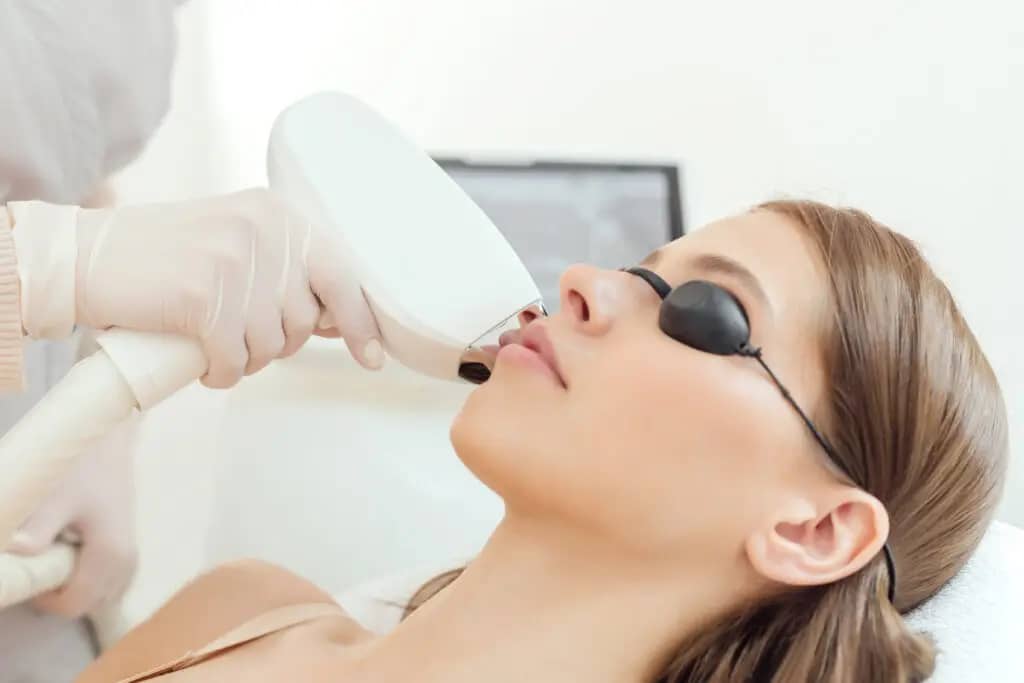
Laser hair removal is a highly effective method for achieving long-term hair reduction. It works by utilizing concentrated light beams, which target the melanin in hair follicles. The energy from the laser converts to heat, effectively damaging the follicles and inhibiting future hair growth. This technology offers a precise and reliable solution for those seeking smoother, hair-free skin.
The science behind laser hair removal lies in selective photothermolysis. By matching specific wavelengths of light and pulse duration, the laser can selectively target dark hair while minimizing damage to the surrounding skin. This makes it a suitable option for individuals with varying skin tones and hair types, though it is most effective on darker hair and lighter skin.
Compared to traditional hair removal methods, laser hair removal offers several advantages. Unlike shaving, which only cuts hair at the surface, or waxing, which pulls hair out from the root, laser treatment targets the hair follicle itself, providing longer-lasting results. Electrolysis, another permanent hair removal method, involves inserting a tiny needle into each hair follicle and applying an electric current. While effective, it is more time-consuming and can be more painful than laser treatments.
Different types of lasers are used in hair removal procedures, including Alexandrite, Diode, Nd:YAG, and IPL (Intense Pulsed Light). Each type has its own set of characteristics, making them suitable for various skin tones and hair types. For instance, Alexandrite lasers are effective for light to olive skin tones, while Nd:YAG lasers are better suited for darker skin tones.
Here’s a comparison of laser hair removal with other common hair removal methods:
| Method | Longevity | Pain Level | Cost |
|---|---|---|---|
| Laser Hair Removal | Long-term | Moderate | Higher |
| Shaving | Short-term | Low | Low |
| Waxing | Several weeks | High | Moderate |
| Electrolysis | Permanent | High | Highest |
Overall, laser hair removal treatment is a preferred choice for those looking for a more permanent solution to unwanted hair, with the added benefits of precision, efficiency, and minimal discomfort compared to other methods.
Preparing for Your Treatment
Before undergoing a laser hair removal treatment, it’s crucial to take specific steps to ensure optimal results and minimize any potential side effects. Adequate preparation can make a significant difference in the effectiveness and safety of the procedure. Here, we outline the essential precautions and preparatory actions to undertake before your laser hair removal session.
Firstly, it’s imperative to avoid sun exposure for at least two weeks prior to the treatment. Tanned skin can increase the risk of burns and hyperpigmentation. If you must be outdoors, make sure to apply a broad-spectrum sunscreen with an SPF of 30 or higher on the area to be treated.
Additionally, it’s important to cease other hair removal methods such as waxing, plucking, or electrolysis for at least four weeks before your session. These methods remove the hair follicle, which is crucial for the laser to target effectively. Shaving, however, is allowed and even recommended the day before the treatment as it leaves the hair shaft intact under the skin.
Consultation with a qualified practitioner is a vital step in preparing for your laser hair removal treatment. During this session, the practitioner will assess your skin type and hair color to customize the treatment plan tailored to your specific needs. This consultation allows for a thorough understanding of any potential risks and ensures that you receive the most effective treatment.
Pre-Treatment Checklist:
- Avoid sun exposure and tanning beds for at least two weeks.
- Stop waxing, plucking, and electrolysis for at least four weeks.
- Shave the treatment area the day before your session.
- Attend a consultation to assess skin type and hair color.
- Inform your practitioner of any medications you are taking.
- Avoid applying any creams, lotions, or deodorants on the treatment day.
By following these preparatory steps, you can enhance the efficacy of your laser hair removal treatment while ensuring your safety and comfort throughout the process.
During the Procedure
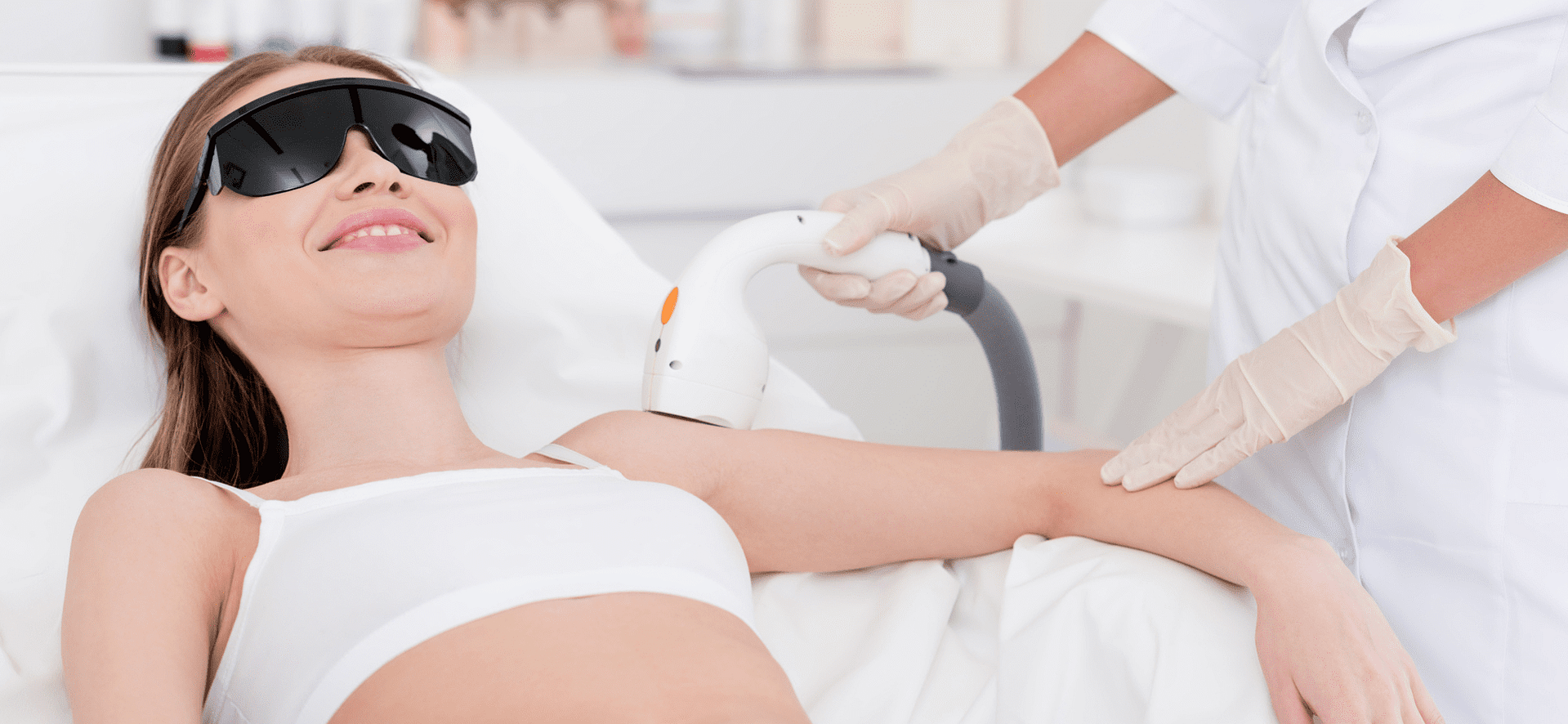
Undergoing a laser hair removal treatment is a precise and carefully orchestrated procedure. The experience begins with the patient comfortably reclined, and the targeted area clean and ready for the laser application. Initially, the practitioner may apply a topical numbing cream to minimize discomfort, particularly for sensitive skin areas. This step ensures that the client is as relaxed as possible before the laser treatment begins.
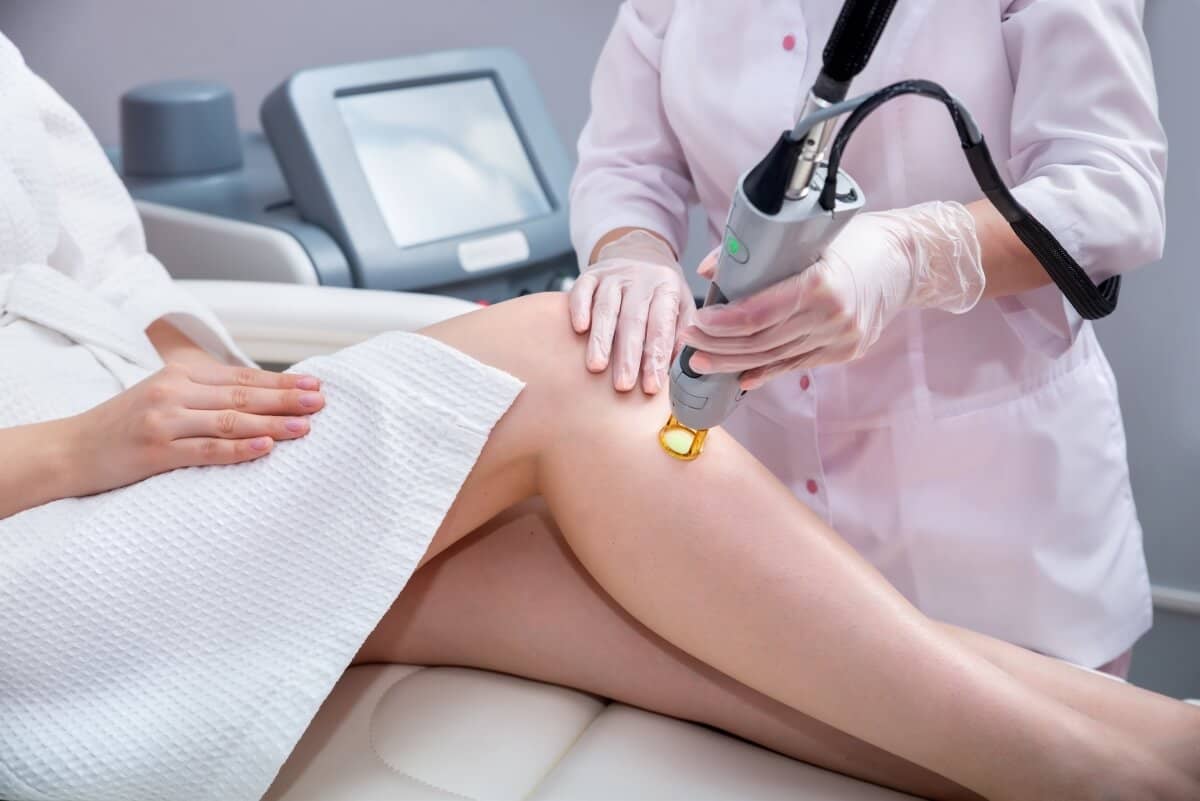
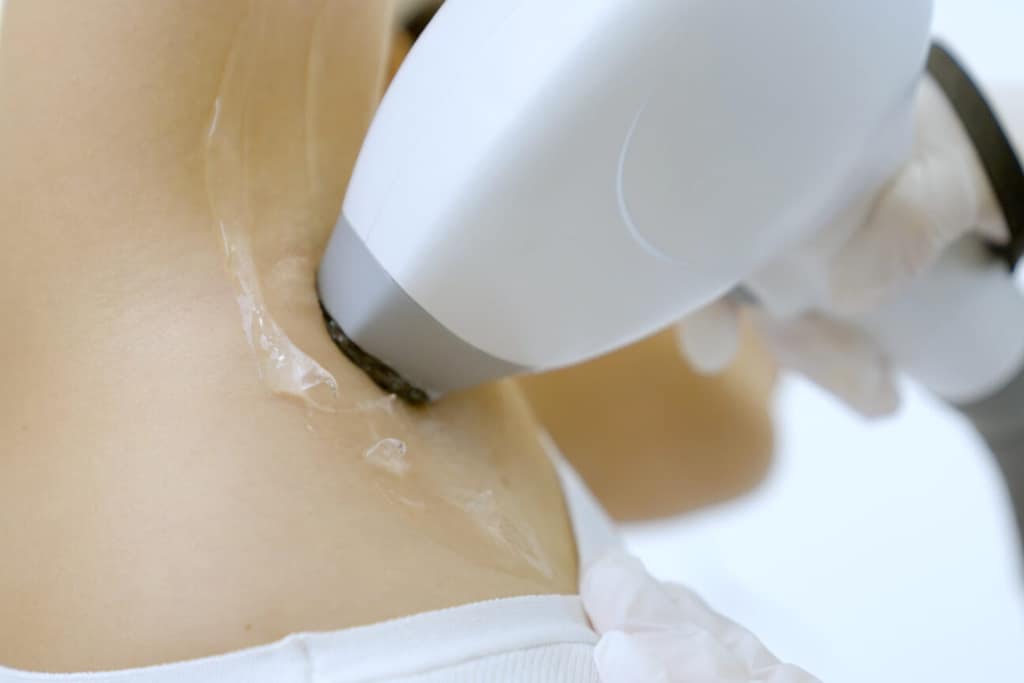
Once the skin is prepared, the specialist will use a handheld laser device to deliver concentrated light pulses to the hair follicles. Clients often describe the sensation as a quick snap, similar to a rubber band lightly hitting the skin. The intensity of this sensation can vary depending on the individual’s pain threshold and the area being treated. To mitigate any discomfort, cooling devices are frequently used in conjunction with the laser. These devices can include a cooling gel applied directly to the skin or built-in cooling mechanisms in the laser equipment itself.
The duration of each session can range from a few minutes to over an hour, based on the size of the area being treated. Smaller regions like the upper lip or underarms may be completed swiftly, while larger areas such as the legs or back require more time. Throughout the procedure, the practitioner will continuously monitor the skin’s response to the laser and adjust settings accordingly to ensure both efficacy and comfort.
Immediately after the laser hair removal treatment, the skin may appear slightly red and swollen, akin to a mild sunburn. These reactions are normal and typically subside within a few hours. The practitioner may apply a soothing lotion or aloe vera to calm the skin and provide aftercare instructions to enhance recovery. It is crucial to avoid sun exposure and apply sunscreen to the treated area to protect the skin during the healing process.
Summary of Sensations and Their Causes
| Sensation | Cause |
|---|---|
| Snap or Sting | Laser pulses targeting hair follicles |
| Cooling Sensation | Cooling devices or gels used to reduce discomfort |
| Redness and Swelling | Skin’s response to laser treatment |
Aftercare and Results
Following a laser hair removal treatment, adhering to recommended aftercare practices is crucial to ensure optimal results and minimize potential side effects. Immediately after the procedure, it is common to experience some redness or swelling in the treated area. These symptoms are typically temporary and can be managed effectively with proper care.
One of the primary aftercare tips is to avoid sun exposure. The treated skin can be more sensitive to UV rays, which could lead to complications such as hyperpigmentation. Applying a high-SPF sunscreen is advisable if sun exposure is unavoidable. Additionally, soothing creams or gels, such as those containing aloe vera, can help alleviate discomfort and promote healing.
It’s important to refrain from using hot water on the treated area for at least 24 to 48 hours post-treatment. Hot showers, baths, or saunas can exacerbate redness and irritation. Instead, opt for lukewarm water and gentle cleansing methods to maintain skin integrity.
For those experiencing mild itching or discomfort, over-the-counter hydrocortisone creams can be beneficial. However, it is crucial to follow the advice of your healthcare provider regarding any topical treatments.
Results from laser hair removal treatments are not immediate. Patients typically observe a reduction in hair growth gradually over several sessions. The number of sessions required varies depending on individual factors such as hair type, color, and the treatment area. On average, most individuals achieve optimal outcomes after 6 to 8 sessions spaced 4 to 6 weeks apart.
Temporary side effects such as redness or swelling usually subside within a few hours to a couple of days. Persistent or severe side effects should be promptly discussed with your treatment provider to ensure appropriate management.
Aftercare Tips:
- Avoid sun exposure and use high-SPF sunscreen if necessary.
- Apply soothing creams or gels, such as aloe vera.
- Refrain from using hot water on the treated area for 24 to 48 hours.
- Use over-the-counter hydrocortisone creams for mild itching or discomfort.
- Follow your provider’s specific aftercare instructions.
Typical Timeline for Results:
| Timeframe | Expected Outcome |
|---|---|
| Immediate | Redness and swelling |
| 1-2 Weeks | Initial hair shedding |
| 4-6 Weeks | Reduced hair regrowth |
| 6-8 Sessions | Optimal hair reduction |