Introduction to Laser Hair Removal
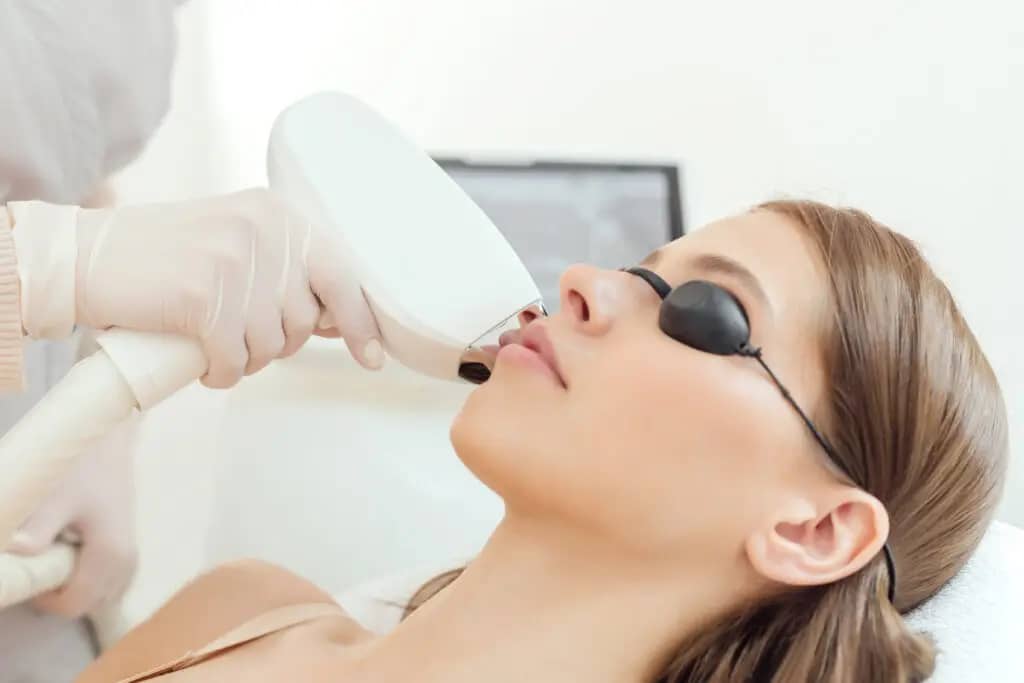
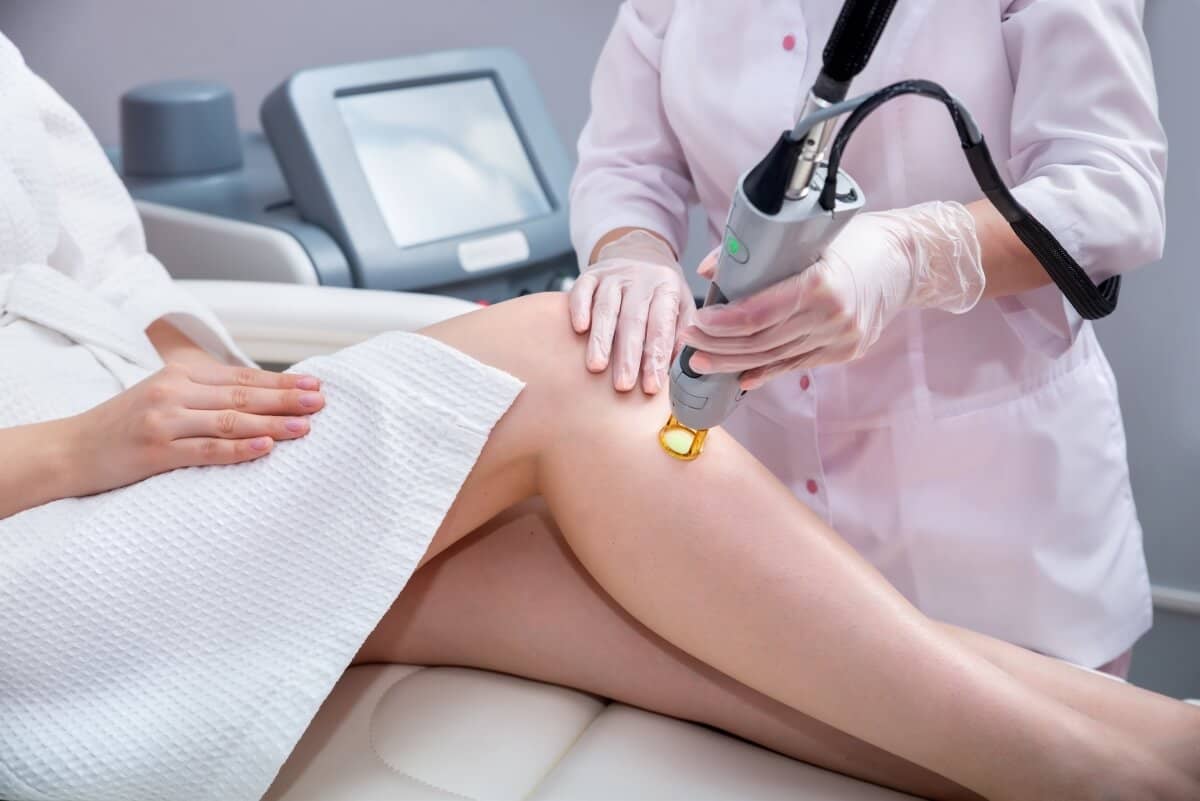
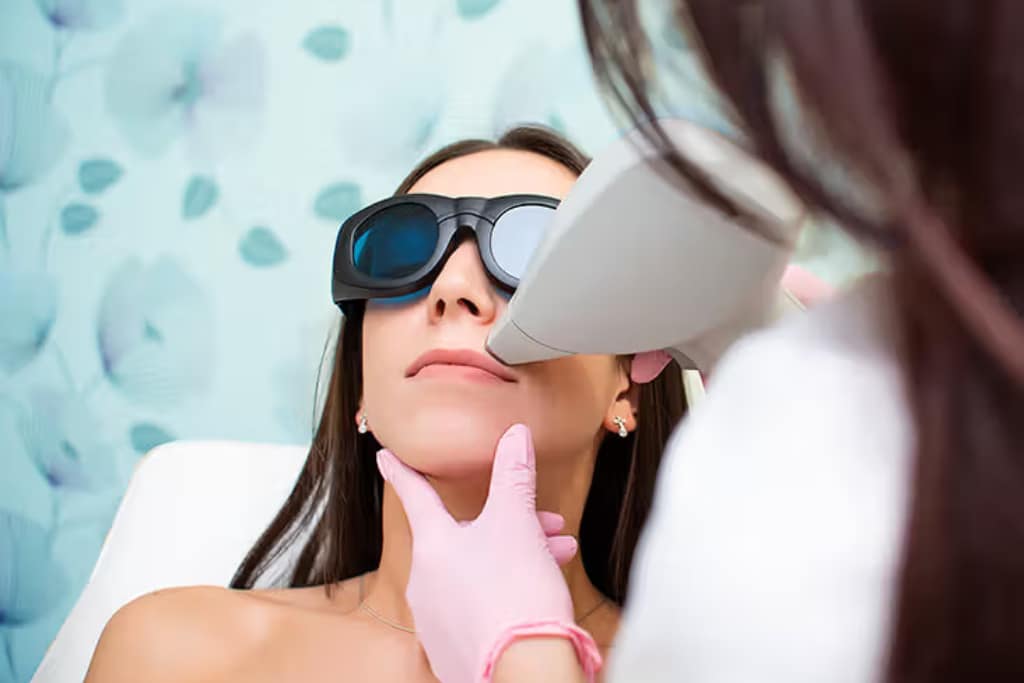
Laser hair removal is a popular cosmetic procedure designed to remove unwanted body hair through the use of concentrated light beams. This process involves targeting the melanin in hair follicles with laser energy, which ultimately damages the follicle and inhibits future hair growth. Typically, the procedure is performed by dermatologists or trained technicians, ensuring both safety and effectiveness.
The development of laser hair removal can be traced back to the mid-1960s when the first laser was invented. However, it wasn’t until the 1990s that the technology advanced sufficiently to become a reliable method for hair removal. Modern advancements have led to the creation of various laser types, such as Alexandrite, Diode, Nd:YAG, and IPL (Intense Pulsed Light), each suited for different skin tones and hair types. The Alexandrite laser is highly efficient for lighter skin tones, while the Nd:YAG laser is more effective for darker skin tones.
One of the primary benefits of laser hair removal is its precision. The laser targets only the hair follicle while leaving the surrounding skin unharmed. Additionally, the procedure is relatively quick, with small areas like the upper lip taking just a few minutes, and larger areas like the back or legs taking up to an hour. Another significant advantage is the long-lasting results. While multiple sessions are required to achieve optimal outcomes, many individuals experience a significant reduction in hair growth that can last for months or even years.
Understanding the basics of laser hair removal provides a crucial foundation before exploring its potential effects on conditions like spider veins. As we delve deeper, it is essential to recognize that the technology, while primarily used for hair removal, has various applications that extend beyond its original intent.
Understanding Spider Veins
Spider veins, also known as telangiectasias, are small, dilated blood vessels that appear near the surface of the skin. They are often red, blue, or purple and can form intricate, web-like patterns, typically found on the legs and face. While spider veins are primarily a cosmetic concern, they can sometimes be symptomatic, causing discomfort, itching, or a burning sensation.
The development of spider veins can be attributed to several factors, including genetics, hormonal changes, prolonged standing, obesity, and sun exposure. They differ from varicose veins, which are larger, swollen veins that often appear twisted and bulging, typically protruding from the skin. Varicose veins are more likely to cause significant pain, swelling, and aching, and can lead to more serious health issues if left untreated.
Individuals seek treatment for spider veins primarily for aesthetic reasons, aiming to improve the appearance of their skin. However, those who experience symptoms or discomfort may also pursue medical treatments for relief. Common treatments for spider veins include sclerotherapy, where a solution is injected into the veins to cause them to collapse and fade, and laser therapy, which uses focused light to eliminate the veins.
Laser hair removal technology has been adapted to treat spider veins effectively by targeting the blood vessels without damaging the surrounding skin. This non-invasive procedure leverages the precision of laser technology to diminish the appearance of spider veins with minimal discomfort and recovery time. The efficacy of laser treatments, coupled with their convenience, has made them a popular choice for those looking to address spider veins.
Understanding the nature of spider veins, their causes, and treatment options is crucial for individuals considering laser therapy. By recognizing the differences between spider veins and varicose veins, and the reasons why people opt for treatment, readers can make informed decisions regarding the potential benefits of laser treatments for spider veins.
Laser Treatments for Spider Veins
Laser treatments have become a popular method for addressing spider veins, offering a non-invasive alternative to traditional vein treatment methods. Understanding how laser treatments work and their benefits and drawbacks can help individuals make informed decisions about their care.
Mechanism of Laser Treatment
Laser treatment for spider veins involves using focused light energy to target the affected blood vessels. The laser emits light at a specific wavelength that is absorbed by the blood in the veins, causing the vessel walls to heat up and collapse. Over time, the treated veins are reabsorbed by the body, leading to a reduction in their appearance on the skin’s surface.
Types of Lasers
Several types of lasers are effective for treating spider veins, including:
- Nd:YAG Lasers: This type of laser penetrates deeply into the skin and is effective for larger spider veins.
- Pulsed Dye Lasers: These are commonly used for smaller, superficial veins and are known for their precision.
- Diode Lasers: Suitable for smaller veins, these lasers offer precision and efficiency.
Pros and Cons of Laser Treatment
When considering laser treatment for spider veins, it is essential to weigh the benefits and potential drawbacks:
- Pros:
- Non-invasive and requires no incisions.
- Minimal downtime and quick recovery.
- Effective for a wide range of skin types and vein sizes.
- Cons:
- Multiple sessions may be required for optimal results.
- Potential for temporary side effects such as redness or swelling.
- Cost can be higher compared to other treatment methods.
Comparison of Laser Treatment to Other Methods
| Treatment Method | Pros | Cons |
|---|---|---|
| Laser Treatment | Non-invasive, minimal downtime, effective for various vein sizes | Multiple sessions required, temporary side effects, higher cost |
| Sclerotherapy | Effective for larger veins, fewer sessions | Invasive, potential for allergic reactions, requires skilled practitioner |
| Vein Stripping | Effective for severe cases, permanent solution | Surgical procedure, longer recovery time, potential for scarring |
In conclusion, laser treatments offer a promising solution for those looking to reduce the appearance of spider veins. While it is essential to consider the specific needs and circumstances of each individual, the non-invasive nature and effectiveness of laser treatments make them a compelling option for many.
Combined Benefits: Hair Removal and Spider Vein Treatment
Laser hair removal is widely recognized for its effectiveness in reducing unwanted body hair. However, it is worth exploring whether this procedure can also offer benefits for individuals dealing with spider veins. Some clinical studies and expert opinions suggest that certain laser treatments, particularly those using Nd:YAG lasers, can address both issues simultaneously.
Nd:YAG lasers are known for their versatility in dermatological treatments. They target melanin in hair follicles to inhibit hair growth and can also penetrate the skin to coagulate blood vessels responsible for spider veins. Clinical evidence indicates that patients undergoing laser hair removal with Nd:YAG lasers have noted improvements in the appearance of spider veins, particularly in areas where both conditions coexist.
Patient testimonials further support these findings. Many individuals who have undergone laser hair removal treatments report not only smoother skin but also a reduction in the visibility of spider veins. These benefits are especially pronounced in areas such as the legs and face, where spider veins are more common.
Expert opinions corroborate these observations. Dermatologists highlight that while the primary goal of laser hair removal is to target hair follicles, the heat generated by the laser can also cause the blood vessels contributing to spider veins to collapse and fade over time. This dual action makes laser hair removal a compelling option for those looking to address both concerns in a single treatment.
Practical considerations for combining these treatments include the frequency of sessions, cost, and potential side effects. Typically, multiple sessions are required to achieve optimal results for both hair removal and spider vein reduction. Costs can vary depending on the treatment area and the number of sessions needed. Side effects may include temporary redness, swelling, and minor discomfort, but these are generally short-lived.
For individuals considering laser treatments for both hair removal and spider vein reduction, consulting with a qualified dermatologist is crucial. A professional can provide personalized advice based on individual skin types and conditions, ensuring the treatment plan is both effective and safe.