Laser Treatment for Pigmentation
When it comes to laser treatment for pigmentation, there are a few key factors to consider. First and foremost, it is important to understand how the treatment works. Laser technology uses concentrated beams of light to target and break up the excess melanin in the skin, which is responsible for pigmentation irregularities. The laser energy is absorbed by the melanin, causing it to fragment into smaller particles that can be naturally eliminated by the body’s immune system.
One of the main advantages of laser treatment is its precision. The laser can be adjusted to target specific areas of pigmentation, allowing for a more targeted and effective treatment. This means that surrounding healthy skin is left untouched, minimizing the risk of damage or scarring.
Another important consideration is the type of laser used for pigmentation treatment. Different lasers have different wavelengths and capabilities, making them suitable for specific types of pigmentation. For example, Q-switched lasers are commonly used to treat pigmentation caused by sun damage or age spots, while fractional lasers are more effective for treating melasma or other types of hyperpigmentation.
Before undergoing laser treatment for pigmentation, it is essential to have a consultation with a qualified dermatologist or laser specialist. They will assess your skin type, the severity of your pigmentation, and any underlying medical conditions that may affect the treatment. Based on this evaluation, they will recommend the most suitable laser and treatment plan for your specific needs.
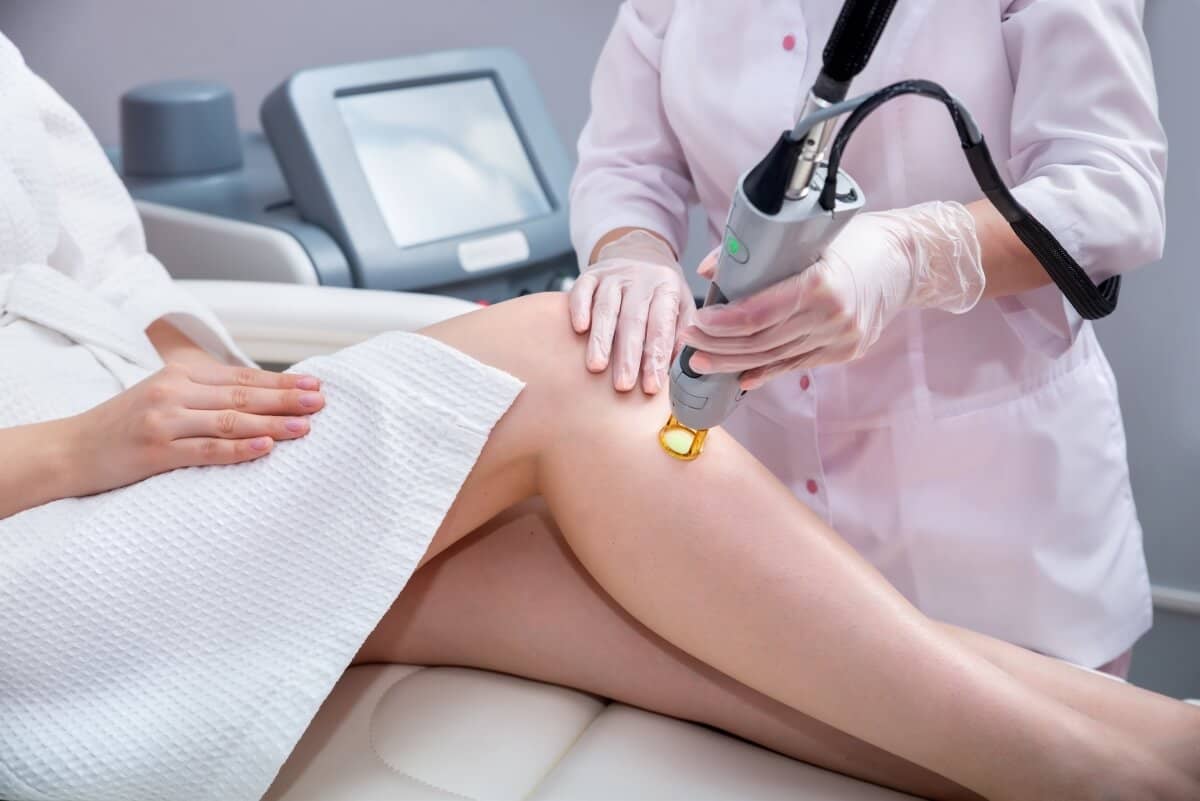
During the actual treatment, the laser specialist will apply a numbing cream to minimize any discomfort. The laser device will then be passed over the treatment area, delivering short pulses of laser energy. Patients may experience a mild tingling or snapping sensation during the procedure, but it is generally well-tolerated.
After the treatment, some redness, swelling, and mild discomfort may occur, but these side effects are temporary and usually subside within a few days. It is important to follow the post-treatment care instructions provided by your dermatologist, which may include applying soothing creams, avoiding sun exposure, and using sunscreen regularly.
While laser treatment for pigmentation can yield significant improvements in the appearance of the skin, it is important to note that multiple sessions may be required to achieve optimal results. The number of treatments needed will depend on factors such as the type and severity of pigmentation, as well as individual response to the treatment.
In conclusion, laser treatment for pigmentation is a safe and effective option for individuals seeking to address skin discoloration concerns. By understanding how the treatment works, choosing the right laser, and following proper aftercare, patients can achieve clearer and more even-toned skin, boosting their confidence and overall well-being.
How Does Laser Treatment for Pigmentation Work?
Laser treatment for pigmentation works by targeting and breaking down the excess melanin, or pigment, in the skin. The laser emits a specific wavelength of light that is absorbed by the melanin, causing it to fragment. This fragmented pigment is then naturally eliminated by the body’s immune system over time.
During the treatment, the laser is carefully calibrated to target the pigmented areas while leaving the surrounding skin unaffected. This precision allows for targeted treatment and minimizes the risk of damage to the surrounding tissue.
Laser treatment for pigmentation is a popular and effective solution for individuals who struggle with hyperpigmentation, sunspots, and other skin discolorations. It offers a non-invasive alternative to traditional methods, such as chemical peels or microdermabrasion, which can be harsh on the skin and may require significant downtime. The process begins with a consultation with a dermatologist or a trained skincare professional. They will assess the individual’s skin condition, determine the type and severity of pigmentation, and discuss the desired outcome. This initial evaluation is crucial to ensure that laser treatment is the right option for the individual and to develop a personalized treatment plan. During the actual treatment, the individual will be asked to wear protective eyewear to shield their eyes from the laser light. The skincare professional will then apply a cooling gel to the treatment area to enhance comfort and protect the skin. The laser device is then placed on the skin, and short bursts of laser light are emitted. The laser light is absorbed by the excess melanin in the skin, causing it to break down into smaller particles. These particles are then gradually eliminated by the body’s natural processes, resulting in a more even skin tone over time. The number of laser sessions required will depend on the individual’s specific condition and their desired outcome. After each session, the individual may experience some redness, swelling, or mild discomfort in the treated area. These side effects are temporary and typically subside within a few hours to a few days. It is essential to follow the skincare professional’s post-treatment instructions, which may include avoiding direct sunlight, wearing sunscreen, and using gentle skincare products. It is important to note that laser treatment for pigmentation is not a one-size-fits-all solution. Different types of pigmentation, such as melasma or post-inflammatory hyperpigmentation, may require specific laser settings or additional treatments, such as topical creams or chemical peels, to achieve optimal results. Therefore, it is crucial to consult with a skincare professional who has experience in treating pigmentation to ensure the best outcome. In conclusion, laser treatment for pigmentation is a safe and effective option for individuals seeking to improve their skin’s appearance and reduce the visibility of dark spots or discolorations. With the advancements in laser technology and the expertise of skincare professionals, more and more people can enjoy the benefits of a clearer, more even complexion.
Benefits of Laser Treatment for Pigmentation
There are several benefits to choosing laser treatment for pigmentation:
- Effective: Laser treatment has been proven to be highly effective in reducing pigmentation irregularities. Many individuals experience significant improvement in their skin’s appearance after just a few sessions.
- Non-invasive: Unlike surgical procedures, laser treatment for pigmentation is non-invasive. This means that there are no incisions or sutures involved, resulting in minimal downtime and a lower risk of complications.
- Minimal discomfort: While everyone’s pain tolerance is different, most individuals report minimal discomfort during laser treatment for pigmentation. Some describe the sensation as a slight tingling or snapping feeling on the skin.
- Quick treatment sessions: Laser treatment sessions for pigmentation are typically quick, ranging from a few minutes to an hour depending on the size and severity of the area being treated. This makes it a convenient option for individuals with busy schedules.
- No scarring: Laser treatment for pigmentation does not typically result in scarring. The laser targets the pigmented areas without damaging the surrounding tissue, allowing for a smoother and more even complexion.
In addition to these benefits, laser treatment for pigmentation also offers long-lasting results. Unlike topical creams or lotions, which may only provide temporary relief, laser treatment targets the root cause of pigmentation, resulting in more permanent improvement. The laser energy is absorbed by the pigmented cells, causing them to break down and be naturally eliminated by the body’s immune system.
Furthermore, laser treatment for pigmentation is a versatile option that can be used to address a wide range of pigmentation issues. Whether the pigmentation is caused by sun damage, hormonal changes, or age spots, laser treatment can effectively target and reduce the appearance of these dark spots.
Another advantage of laser treatment for pigmentation is its ability to stimulate collagen production. Collagen is a protein that is responsible for maintaining the skin’s elasticity and firmness. As we age, collagen production naturally decreases, leading to wrinkles and sagging skin. Laser treatment stimulates the production of collagen, helping to improve the overall texture and tone of the skin.
It is important to note that while laser treatment for pigmentation is generally safe and effective, it is not suitable for everyone. Individuals with certain medical conditions, such as active infections or autoimmune disorders, may not be suitable candidates for this type of treatment. Additionally, individuals with darker skin tones may be at a higher risk of experiencing pigmentation changes or uneven skin tone as a result of laser treatment.
In conclusion, laser treatment for pigmentation offers a range of benefits, including its effectiveness, non-invasiveness, minimal discomfort, quick treatment sessions, and lack of scarring. It provides long-lasting results and can be used to address various pigmentation issues. However, it is important to consult with a qualified dermatologist or medical professional to determine if laser treatment is the right option for your specific needs and skin type.
Additionally, it is important to have realistic expectations about the outcome of the laser treatment for pigmentation. While laser treatment can significantly reduce the appearance of pigmentation, it may not completely eliminate it. The results may vary depending on the severity of the pigmentation and individual skin characteristics.
During the laser treatment, you may experience some discomfort or a mild burning sensation. Your healthcare provider may apply a topical anesthetic to minimize any discomfort. The duration of the treatment will depend on the size and location of the pigmented areas.
After the laser treatment, it is common to experience some redness, swelling, and mild bruising in the treated area. This is a normal reaction and typically resolves within a few days. Your healthcare provider may recommend using a cold compress or over-the-counter creams to alleviate any discomfort and reduce swelling.
It is crucial to protect your skin from sun exposure after the laser treatment. Your skin will be more sensitive to the sun’s harmful rays, and exposure can increase the risk of pigmentation recurrence. Make sure to apply a broad-spectrum sunscreen with a high SPF and wear protective clothing, such as hats and sunglasses, when going outside.
It may take several laser treatment sessions to achieve the desired results. The number of sessions will depend on the severity of the pigmentation and your skin’s response to the treatment. Your healthcare provider will create a personalized treatment plan based on your specific needs.
If you notice any unusual or concerning symptoms after the laser treatment, such as severe pain, blistering, or infection, it is important to contact your healthcare provider immediately. They will be able to assess the situation and provide appropriate guidance.
Overall, laser treatment for pigmentation can be an effective option for improving the appearance of pigmented areas on the skin. By following your healthcare provider’s instructions and taking proper care of your skin before and after the treatment, you can maximize the results and achieve a more even and radiant complexion.
What to Expect During Laser Treatment for Pigmentation
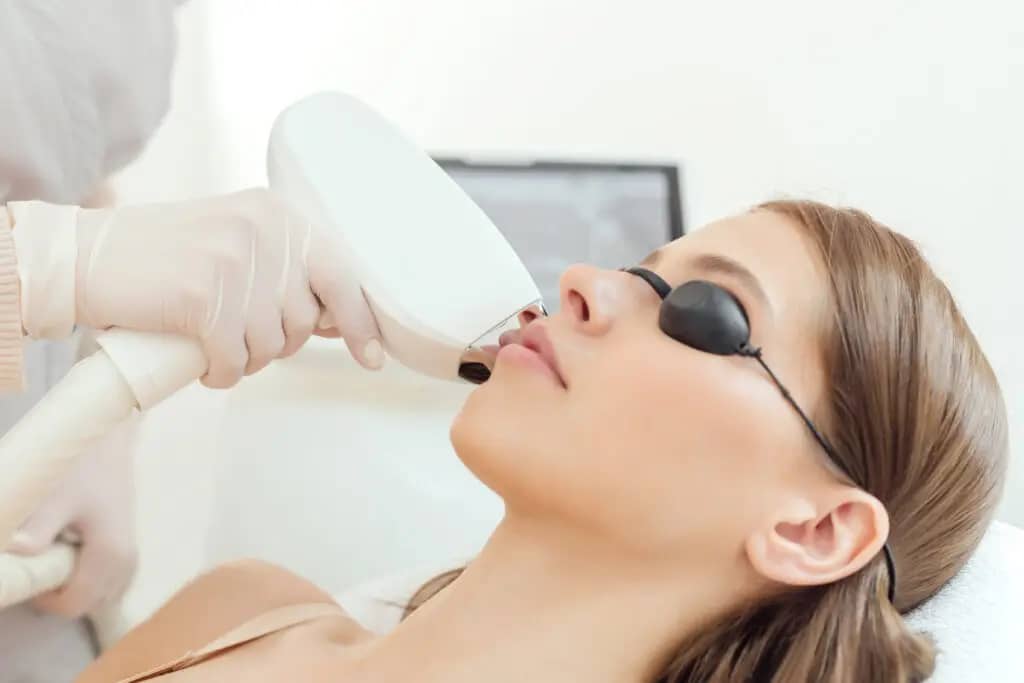
During the laser treatment for pigmentation, you will be provided with protective eyewear to shield your eyes from the laser light. Your healthcare provider will then use a handheld device to deliver the laser pulses to the targeted areas.
You may feel a slight sensation on your skin during the treatment, similar to the snapping of a rubber band. However, any discomfort is usually minimal and well-tolerated by most individuals.
The duration of the treatment will depend on the size and severity of the pigmented areas being treated. Your healthcare provider will discuss this with you during your consultation.
Once the laser pulses are delivered to the targeted areas, the energy from the laser will be absorbed by the pigmented cells in your skin. This will cause the pigmented cells to break down and eventually be eliminated by your body’s natural processes.
After the treatment, you may experience some redness and swelling in the treated areas. This is a normal reaction and should subside within a few hours to a few days. Your healthcare provider may recommend applying a soothing cream or gel to help alleviate any discomfort or inflammation.
It is important to protect your skin from sun exposure after the laser treatment. Sunscreen with a high SPF should be applied regularly, and it is recommended to wear a wide-brimmed hat and seek shade when outdoors. This will help prevent the pigmented areas from darkening again and protect your skin from further damage.
You may notice some immediate improvement in the appearance of the pigmented areas after the first treatment. However, multiple sessions may be required to achieve the desired results, especially for more severe cases of pigmentation. Your healthcare provider will discuss the recommended number of sessions and the interval between treatments.
Overall, laser treatment for pigmentation is a safe and effective option for reducing the appearance of pigmented areas on the skin. It can help restore a more even skin tone and boost your confidence in your appearance. If you have any concerns or questions about the procedure, it is best to consult with a qualified healthcare provider who can assess your specific needs and provide personalized recommendations.
Aftercare and Recovery
After laser treatment for pigmentation, it is important to follow your healthcare provider’s aftercare instructions to ensure proper healing and optimal results. Here are some general guidelines:
- Avoid sun exposure: It is crucial to protect your skin from sun exposure after the treatment. Use sunscreen with a high SPF, wear protective clothing, and avoid prolonged sun exposure. The laser treatment can make your skin more sensitive to the sun, increasing the risk of sunburn and pigmentation recurrence. It is recommended to stay in the shade, especially during peak sun hours, and reapply sunscreen every two hours.
- Keep the treated area clean: Gently cleanse the treated area with a mild cleanser and apply any prescribed ointments or creams as directed by your healthcare provider. Keeping the area clean will help prevent infection and promote healing. Avoid using harsh cleansers or scrubbing the area vigorously, as this can irritate the skin and prolong the recovery process.
- Avoid picking or scratching: It is important to resist the temptation to pick or scratch at any scabs or crusts that may form. This can disrupt the healing process and increase the risk of scarring. If you experience itching or discomfort, you can apply a cold compress or take over-the-counter pain relievers as recommended by your healthcare provider.
- Follow up with your healthcare provider: Attend any scheduled follow-up appointments to monitor your progress and address any concerns or questions you may have. Your healthcare provider will evaluate the results of the laser treatment and make any necessary adjustments to your aftercare routine. They may also recommend additional treatments or skincare products to further enhance the results.
During the recovery period, it is normal to experience some redness, swelling, and mild discomfort in the treated area. These symptoms should gradually improve within a few days to a week. However, if you notice any signs of infection, such as increased pain, pus, or worsening redness, it is important to contact your healthcare provider immediately.
It is also important to note that the full results of laser treatment for pigmentation may not be immediately visible. It can take several weeks or even months for the pigmented areas to fade and for the skin to achieve its desired appearance. Patience and consistency with the aftercare routine are key to achieving the best possible outcome.
In addition to following the aftercare instructions, it is essential to maintain a healthy skincare routine to prevent future pigmentation issues. This includes using gentle cleansers, moisturizers, and sunscreen daily, as well as avoiding excessive sun exposure and wearing protective clothing.
By following these guidelines and working closely with your healthcare provider, you can ensure a smooth recovery and achieve long-lasting results from your laser treatment for pigmentation.
Results and Maintenance
Results from laser treatment for pigmentation can vary depending on the individual and the severity of the pigmentation. Many individuals experience a noticeable improvement in their skin’s appearance after just a few sessions.
To maintain the results, it is important to follow a consistent skincare routine and protect your skin from sun exposure. Regular use of sunscreen and avoiding excessive sun exposure can help prevent the recurrence of pigmentation irregularities.
Your healthcare provider may also recommend periodic maintenance treatments to ensure long-lasting results. These treatments can help address any new pigmentation concerns that may arise over time.
In addition to skincare and maintenance treatments, it is crucial to understand the underlying causes of pigmentation and take appropriate measures to address them. Pigmentation can be caused by various factors such as hormonal changes, sun damage, or certain medical conditions.
If hormonal changes are the root cause of pigmentation, your healthcare provider may recommend hormone therapy or other treatments to regulate hormone levels and prevent further pigmentation issues. Sun damage can be minimized by wearing protective clothing, using hats and sunglasses, and seeking shade during peak sun hours.
Furthermore, certain medical conditions, such as melasma or post-inflammatory hyperpigmentation, may require a more comprehensive approach to treatment. Your healthcare provider may suggest a combination of laser therapy, topical creams, and other specialized treatments to effectively manage these conditions.
It is important to have realistic expectations when undergoing laser treatment for pigmentation. While significant improvement can be achieved, complete elimination of all pigmentation may not be possible in some cases. However, with proper care and maintenance, the appearance of pigmentation can be greatly reduced and managed effectively.
Overall, laser treatment for pigmentation can be a highly effective solution for those seeking to improve their skin’s appearance. By following a consistent skincare routine, protecting the skin from sun exposure, and addressing any underlying causes of pigmentation, individuals can enjoy long-lasting results and maintain a more even and radiant complexion.
Get A Quote: