Understanding the Mole Removal Procedure
Mole removal is a common procedure performed for both cosmetic reasons and health concerns, such as the potential development of melanoma. There are several methods for mole removal, each with its own process and considerations. The choice of method often depends on the mole’s size, location, and characteristics, as well as the patient’s preferences and medical history.
Surgical excision is one of the most frequently used techniques for mole removal. During this procedure, a healthcare professional will first cleanse the area surrounding the mole. Local anesthesia is then administered to numb the area, ensuring the patient does not experience pain. The mole is carefully cut out with a scalpel, and depending on the size and depth of the mole, stitches may be required to close the wound. This method is highly effective for larger moles and those suspected of being cancerous.
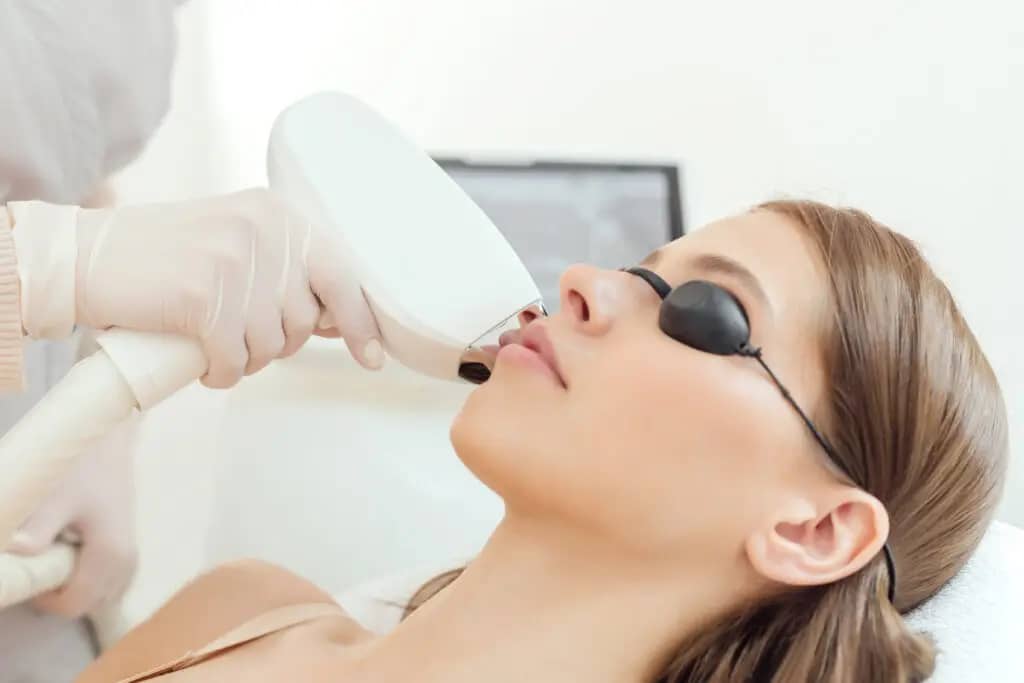
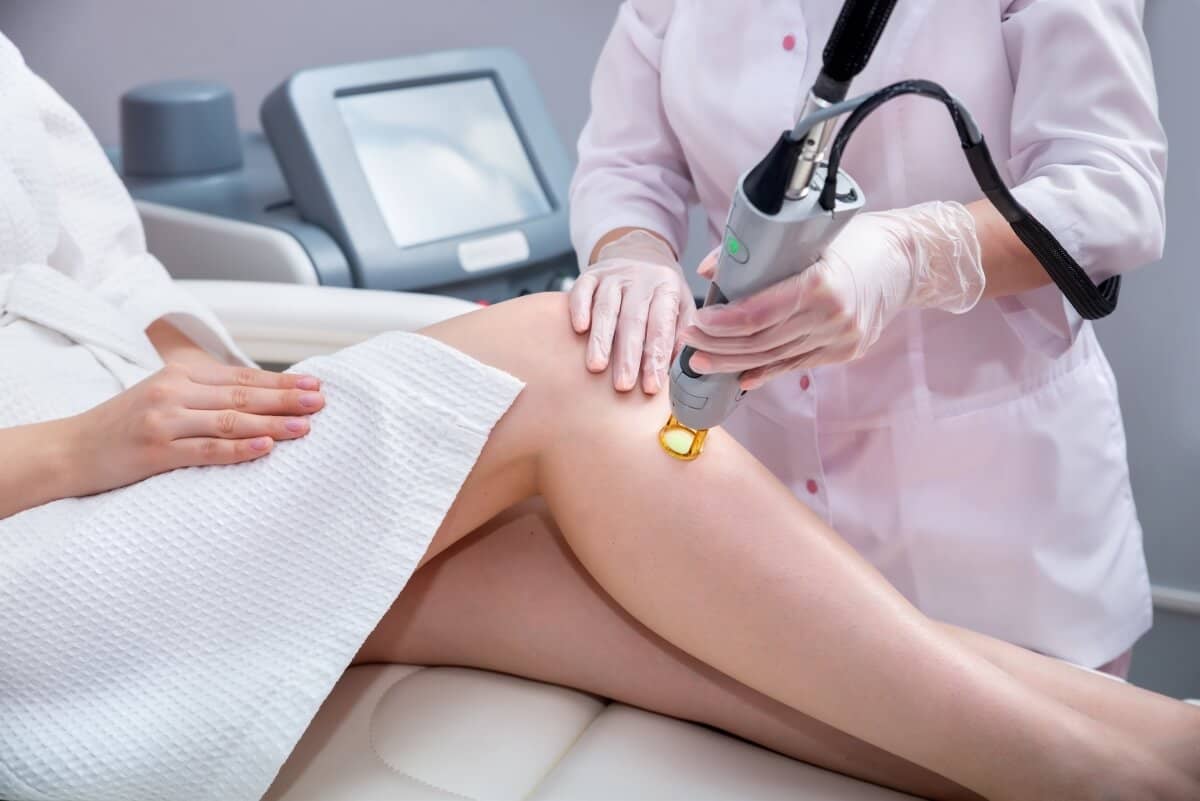
Laser removal is another popular method, particularly for smaller, non-cancerous moles. In this procedure, a concentrated beam of light is used to break down the mole’s pigment. It is a less invasive option compared to surgical excision and usually results in minimal scarring. Local anesthesia may still be used to ensure patient comfort. The duration of laser removal can vary, but it typically takes only a few minutes per mole.
Cryotherapy involves the application of extreme cold to destroy mole tissue. Liquid nitrogen is applied directly to the mole, causing it to freeze and eventually fall off. This method is quick and generally well-tolerated, although it may cause some discomfort during the freezing process. Cryotherapy is particularly effective for superficial moles and those that are raised above the skin’s surface.
Regardless of the method used, patients can expect the mole removal procedure to be relatively straightforward. The healthcare professional will take steps to ensure comfort and safety, from sterilizing the area to administering anesthesia. The entire process, including preparation and aftercare instructions, typically takes between 15 to 30 minutes per mole. Understanding these procedures can help patients feel more at ease and prepared for their mole removal experience.
Immediate Aftercare Steps
After undergoing a mole removal procedure, it is crucial to follow specific immediate aftercare steps to ensure proper healing and reduce the risk of complications. The first step involves wound care. Begin by keeping the wound clean and dry. You may gently clean the area with mild soap and water, but avoid scrubbing. After cleaning, pat the area dry with a clean towel. It is advisable to apply an antiseptic ointment as recommended by your healthcare provider to prevent infection.
Dressing the wound is another key aspect of immediate aftercare. Use a sterile bandage to cover the wound and change it daily, or more frequently if it becomes wet or dirty. When changing the bandage, inspect the wound for signs of infection, such as redness, swelling, increased pain, or discharge. Should you notice any of these symptoms, contact your healthcare provider promptly.
Pain management is an essential component of aftercare. Over-the-counter pain relievers, such as acetaminophen or ibuprofen, can help manage discomfort. Always follow the dosage instructions on the medication package or as advised by your healthcare provider. Avoid applying ice directly to the wound, as it could hinder the healing process.
In the initial days following the mole removal procedure, it is important to avoid activities that could strain the wound area. Refrain from heavy lifting, vigorous exercise, or any activity that causes excessive sweating. Such activities can irritate the wound and delay healing. Additionally, avoid swimming or submerging the wound in water to prevent infection.
By adhering to these immediate aftercare steps, patients can foster an optimal healing environment, minimize discomfort, and reduce the risk of complications. Proper wound care, pain management, and activity restrictions are essential for a smooth recovery process.
Long-Term Healing and Scar Management
After mole removal, the long-term healing process is crucial for achieving optimal results and minimizing scarring. The healing timeline can vary significantly depending on the type of mole removal method used. Surgical excisions typically take longer to heal, usually several weeks to a few months, as opposed to non-surgical methods like laser removal, which may heal within a few weeks.
During the initial weeks, the area where the mole was removed may appear red or pink. This discoloration is a normal part of the healing process and should gradually fade over time. As the skin continues to heal, it is essential to keep it clean and moisturized to prevent dryness and irritation. Using a gentle, fragrance-free moisturizer can aid in maintaining skin hydration.
Minimizing scarring is a common concern for many individuals. One effective way to reduce scar formation is through the application of topical treatments. Products containing ingredients like silicone, vitamin E, and hydrocortisone can significantly improve the appearance of scars. Silicone sheets or gels are particularly beneficial, as they create a protective barrier over the scar, promoting a more even and smooth healing process.
Additionally, massaging the scar tissue gently with a moisturizing cream can enhance blood flow and elasticity, further aiding in scar reduction. It is advisable to begin massaging the area only after the wound has fully closed and any stitches have been removed. Consistency is key; performing this routine regularly can yield better results over time.
Despite following all recommended aftercare steps, some individuals may still experience complications or delayed healing. If the area becomes increasingly red, swollen, or painful, or if there is any discharge, it is crucial to seek medical advice promptly. These symptoms could indicate an infection or other underlying issues that require professional attention.
In conclusion, understanding the long-term healing process and proper scar management techniques can significantly impact the final outcome of mole removal. By adhering to recommended care practices and seeking medical advice when necessary, individuals can achieve smoother, less noticeable scars and healthier skin.
Potential Complications and When to Seek Help
Mole removal, while generally safe, can sometimes lead to complications that require medical attention. One of the most common issues is infection. Signs of infection include increased redness, swelling, warmth around the removal site, pus or discharge, and fever. If any of these symptoms occur, it is crucial to contact your healthcare provider promptly to prevent the infection from worsening.
Another potential complication is abnormal scarring. While some degree of scarring is expected, certain types, such as keloids, can be problematic. Keloids are raised, thickened areas of scar tissue that can grow larger than the original mole. If you notice excessive or abnormal scarring, consult with your healthcare provider for possible treatments, which may include corticosteroid injections or silicone sheets to flatten the scar.
Changes in the skin around the removal site can also be concerning. This may include changes in color, texture, or the appearance of new growths. Such changes should not be ignored, as they could signify underlying issues that need medical evaluation. Regularly monitoring the area and maintaining follow-up appointments with your healthcare provider are essential steps in ensuring proper healing and early detection of any problems.
Another critical aspect of aftercare is monitoring for signs of skin cancer. Even after a mole has been removed, it is important to stay vigilant about any new or changing skin lesions. Any new moles, or changes in the size, shape, or color of existing moles, should be assessed by a healthcare provider. Early detection is crucial for effective treatment of skin cancer.
In conclusion, while complications from mole removal are relatively rare, being aware of potential issues such as infection, abnormal scarring, and changes in the surrounding skin is vital. Promptly addressing any concerning symptoms with your healthcare provider and maintaining regular follow-up appointments can help ensure a smooth recovery and early detection of any serious conditions.