Understanding PCOS and Its Impact on Hair Growth
Polycystic Ovary Syndrome (PCOS) is a complex endocrine disorder that affects a significant number of women worldwide. Characterized by hormonal imbalances, PCOS can lead to a variety of health issues, including irregular menstrual cycles, weight gain, and notably, excessive hair growth, a condition known as hirsutism. This symptom is particularly distressing as it affects visible areas such as the face, chest, and back, leading to both physical and psychological challenges.
At the core of PCOS is an imbalance in the levels of androgens, often referred to as male hormones, such as testosterone. While women naturally produce androgens, those with PCOS tend to have higher levels than usual. This hormonal discrepancy stimulates excessive hair growth in patterns typically more common in men. The condition not only disrupts the physical appearance but also impacts self-esteem and mental health, making daily social interactions and personal relationships more challenging.
Statistics underscore the prevalence and impact of PCOS-induced hirsutism. Studies suggest that up to 70% of women with PCOS experience some degree of unwanted hair growth. This can lead to a significant emotional burden, with many women reporting feelings of embarrassment, depression, and anxiety. The psychological toll can be profound, affecting one’s quality of life and overall well-being.
Personal anecdotes further highlight the struggle faced by those with PCOS. For instance, many women recount their relentless battle with razors, waxing, and other temporary hair removal methods, only to find the hair returning swiftly and often more coarsely. These stories paint a vivid picture of the daily challenges and the constant search for a more permanent solution, such as laser hair removal, which has gained popularity for its long-lasting results.
Understanding the intricate relationship between PCOS and excessive hair growth is crucial for both managing the condition and finding effective treatments. As we delve deeper into this diary, you will gain insight into one such treatment option—laser hair removal—and its potential to alleviate the burden of hirsutism for women with PCOS.
Choosing Laser Hair Removal: Why and How
The decision to undergo laser hair removal as a solution for managing excessive hair growth due to PCOS was not taken lightly. The process began with thorough research and numerous consultations with healthcare professionals and dermatologists. Understanding that Polycystic Ovary Syndrome (PCOS) often leads to hirsutism, or excessive hair growth, I sought a long-term and effective solution.
Initially, I explored various alternatives such as waxing, shaving, and depilatory creams. However, these methods provided only temporary relief and required frequent application, which was both time-consuming and frustrating. Electrolysis was another option, but its invasive nature and the potential for discomfort led me to consider other possibilities. This is where laser hair removal emerged as a promising candidate.
One of the key factors in selecting laser hair removal was its potential for long-lasting results. Unlike other methods, laser hair removal targets hair follicles at their roots, significantly reducing hair growth over time. This aspect was particularly appealing given the persistent nature of PCOS-related hirsutism.
Choosing a reputable skin clinic was paramount. After reading numerous reviews and seeking recommendations from friends and online forums, I shortlisted a few well-regarded clinics. My criteria included the clinic’s experience with laser hair removal, especially for patients with PCOS, the qualifications of the practitioners, and the type of laser technology used. Safety was a primary concern; hence, clinics with stringent safety protocols and positive patient testimonials were prioritized.
Cost was another important consideration. While laser hair removal can be expensive, the potential for long-term savings—compared to the cumulative costs of other hair removal methods—justified the investment. During consultations, I discussed expected outcomes and potential side effects with the practitioners to ensure I had realistic expectations.
Ultimately, laser hair removal was chosen for its efficacy, the expertise available at the selected clinic, and the promise of a more permanent solution to the challenges posed by PCOS-related hair growth. This decision was reinforced by the thorough research and careful evaluation of all available options.
The Laser Hair Removal Procedure: What to Expect
Undergoing laser hair removal for managing PCOS-related excess hair can be an enlightening experience. Prior to the procedure, a consultation at the skin clinic is essential. This session involves an assessment of the skin type and hair density to tailor the treatment plan accordingly. Patients are usually advised to avoid sun exposure and refrain from waxing or using depilatory creams for a few weeks before the first appointment.
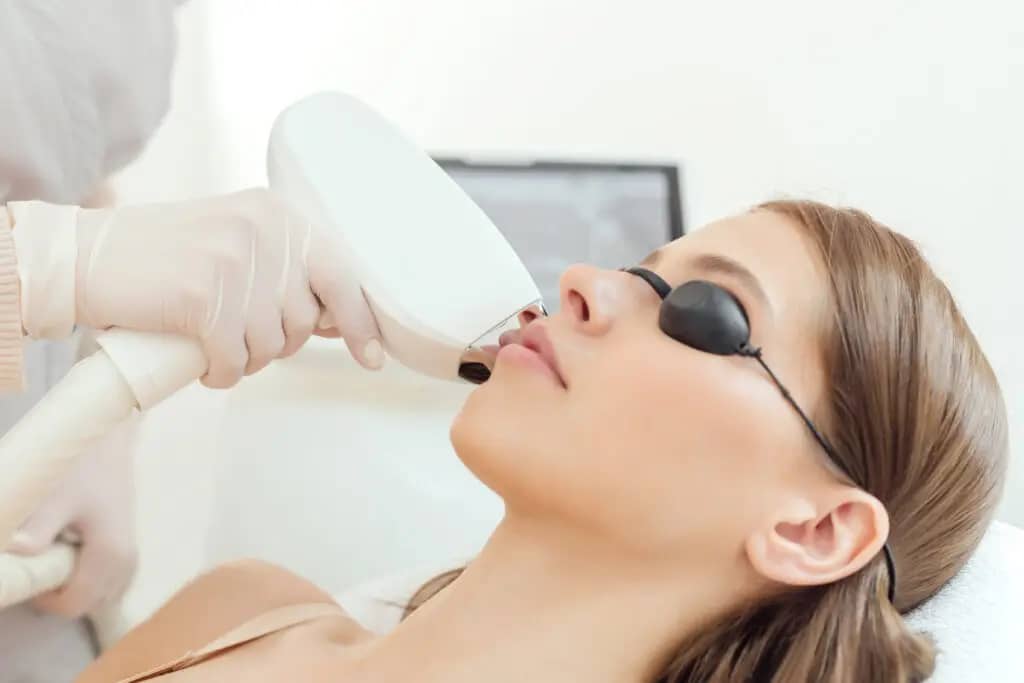
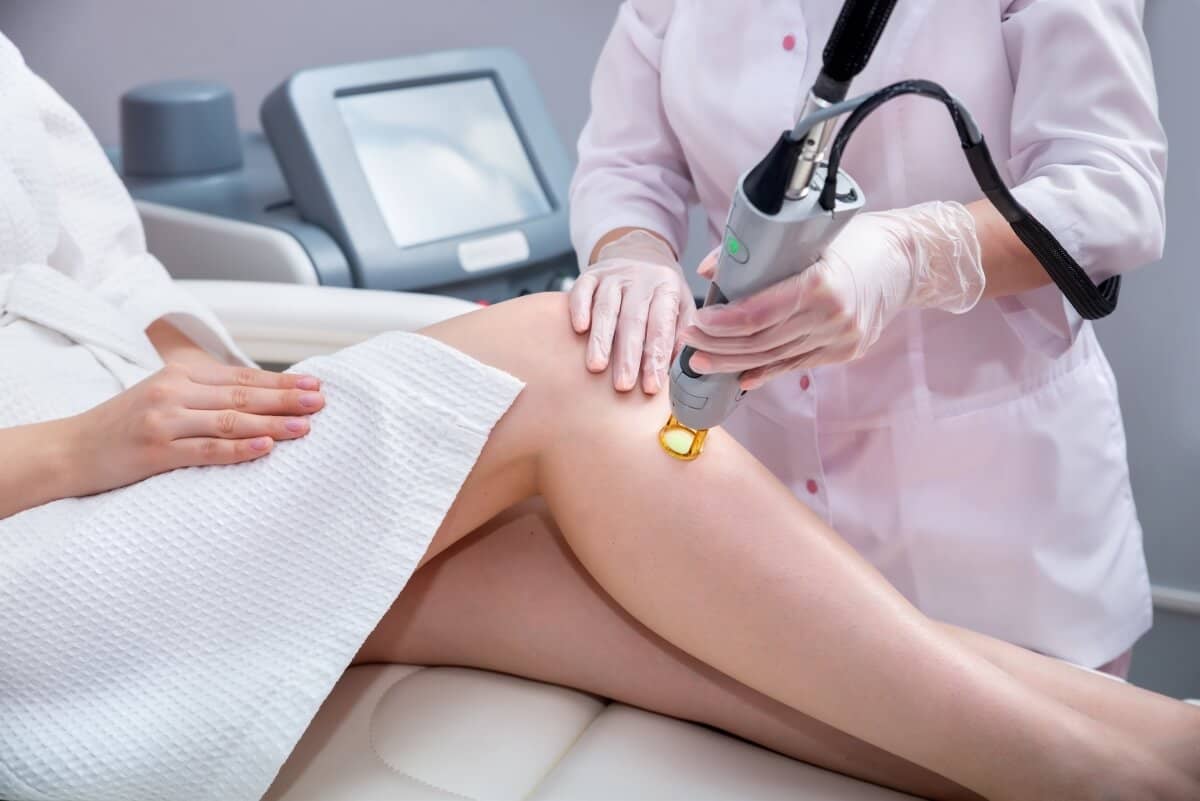
The actual procedure begins with the application of a cooling gel on the target area. This gel not only soothes the skin but also enhances the efficacy of the laser. The laser device, which emits concentrated light beams, is then moved over the skin. These beams are absorbed by the hair follicles, effectively disabling their ability to produce hair. The sensation experienced during the treatment can vary; some describe it as a mild snapping feeling, while others feel a warm pinprick. For those with a low pain threshold, the discomfort is generally manageable, and some clinics offer numbing creams to further alleviate any discomfort.
The number of sessions required for optimal results can depend on factors like hormonal balance, hair growth cycle, and the individual’s response to the treatment. Typically, a series of 6 to 8 sessions, spaced 4 to 6 weeks apart, is recommended. Each session usually lasts between 20 to 30 minutes, depending on the size of the area being treated.
Immediate aftercare includes avoiding direct sunlight and applying soothing creams to reduce any redness or swelling. It’s crucial to follow the clinic’s aftercare instructions to ensure the best results and minimize side effects. My personal experience with laser hair removal has been overwhelmingly positive. The initial results were noticeable after just a few sessions, with a significant reduction in hair growth and improved skin texture. The discomfort during the procedure was minimal, and the overall convenience and effectiveness of the treatment have made it a worthwhile investment in managing PCOS symptoms.
Post-Treatment Journey: Results and Reflections
After undergoing laser hair removal treatments for PCOS, the journey has been transformative in various ways. Over time, the effectiveness of the treatment in reducing hair growth became quite evident. Initially, there was a noticeable decrease in the density and thickness of the hair in the treated areas. This gradual reduction continued with each session, eventually leading to significantly smoother skin.
As with any medical procedure, there were some side effects, albeit minimal. Slight redness and mild swelling were common immediately after the sessions, but these symptoms typically subsided within a few hours. Following the aftercare instructions provided by the Skin Clinic, such as applying aloe vera gel and avoiding direct sun exposure, helped mitigate these effects.
The overall satisfaction with the results of laser hair removal has been profound. For individuals with PCOS, dealing with excessive hair growth can be a source of significant distress and self-consciousness. The reduction in unwanted hair has not only enhanced physical appearance but also greatly boosted self-esteem and confidence. Daily routines have become more manageable without the constant need for shaving or waxing, allowing for more time and energy to be focused on other aspects of life.
For those considering laser hair removal as a treatment for PCOS-related hair growth, my advice would be to have realistic expectations and to be patient. The process takes time, and results may vary based on individual hair and skin types. Consistency with the treatment schedule is key to achieving optimal results. Additionally, maintaining the results involves occasional touch-up sessions as recommended by the clinic.
Conclusion
Laser hair removal can be a highly effective solution for managing excessive hair growth due to PCOS. By following the treatment plan and aftercare guidelines, and by managing expectations, individuals can experience significant improvements in their quality of life and self-esteem.