Best Skin Tightening Treatments for the Face
As we age, our skin naturally loses its elasticity, resulting in sagging and wrinkles. Fortunately, there are several effective skin tightening treatments available that can help restore a youthful appearance to the face. In this article, we will explore some of the best skin tightening treatments for the face, their benefits, and what to expect from each procedure.
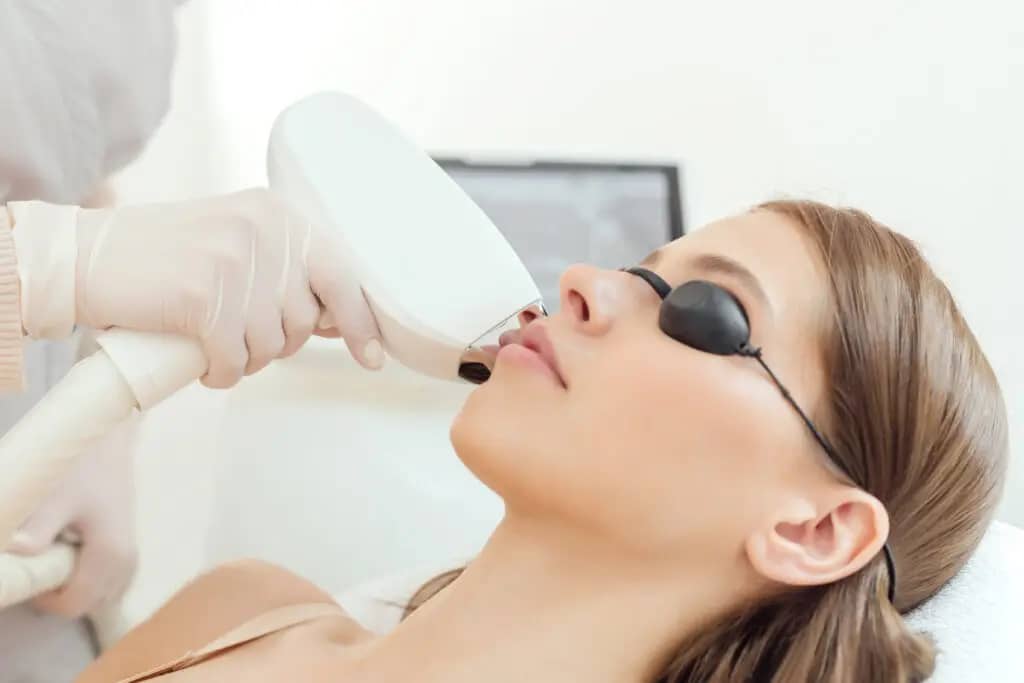
One of the most popular skin tightening treatments for the face is laser resurfacing. This procedure uses laser technology to remove the outer layer of skin, stimulating collagen production and tightening the underlying tissues. Laser resurfacing can effectively reduce the appearance of fine lines, wrinkles, and even acne scars. The procedure is typically performed by a dermatologist or plastic surgeon and can be done on an outpatient basis.
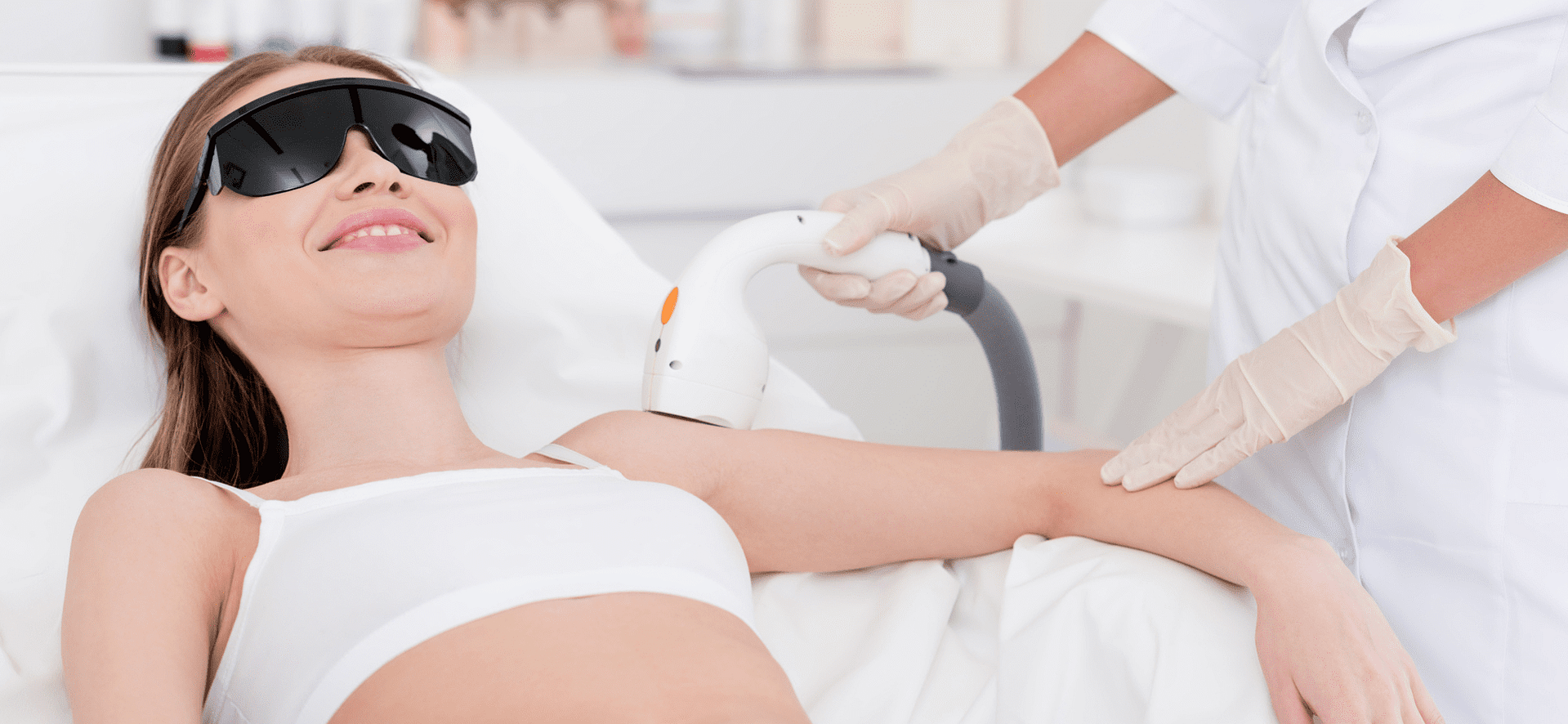
Another effective option for skin tightening is radiofrequency therapy. This non-invasive treatment uses radiofrequency energy to heat the deeper layers of the skin, stimulating collagen production and tightening the skin. Radiofrequency therapy is often used to target specific areas of the face, such as the forehead, cheeks, and jawline. The procedure is relatively painless and requires no downtime, making it a popular choice for those looking for a quick and effective skin tightening solution.
For those who prefer a more natural approach, there are also several home remedies and skincare products that can help tighten the skin. These include facial exercises, which can help strengthen the muscles in the face and improve overall skin tone. Additionally, using skincare products that contain ingredients such as retinol, hyaluronic acid, and peptides can also help promote collagen production and tighten the skin.
When considering skin tightening treatments, it is important to consult with a qualified professional to determine the best option for your individual needs. Factors such as skin type, severity of sagging, and desired results will all play a role in determining the most effective treatment plan. Additionally, it is important to have realistic expectations and understand that while these treatments can provide noticeable results, they are not permanent and may require ongoing maintenance.
In conclusion, there are several effective skin tightening treatments available for the face. Whether you choose laser resurfacing, radiofrequency therapy, or opt for natural remedies, the key is to find a treatment that suits your needs and goals. With proper care and maintenance, you can achieve a tighter, more youthful appearance and regain your confidence.
1. Ultherapy
Ultherapy is a non-invasive skin tightening treatment that uses focused ultrasound energy to stimulate collagen production deep within the skin. This treatment targets the underlying layers of tissue, bypassing the surface of the skin, which allows for precise and effective tightening.
During an Ultherapy session, a trained technician will use a handheld device to deliver ultrasound energy to specific areas of the face. The procedure is generally well-tolerated, with minimal discomfort. Results from Ultherapy can be seen gradually over time, as the body naturally produces new collagen. Most individuals require only one treatment, and the results can last up to a year or more.
Ultherapy has gained popularity in recent years due to its ability to provide noticeable skin tightening results without the need for surgery or downtime. This makes it an attractive option for individuals who want to improve the appearance of sagging or loose skin, but are not ready or willing to undergo invasive procedures.
One of the key advantages of Ultherapy is its ability to target specific areas of concern. The handheld device allows the technician to precisely deliver ultrasound energy to the desired areas, such as the forehead, neck, or jawline. This targeted approach ensures that the energy is concentrated in the areas where it is needed most, maximizing the effectiveness of the treatment.
Another benefit of Ultherapy is its long-lasting results. While individual experiences may vary, many patients report seeing improvements in the tightness and firmness of their skin for up to a year or more after a single treatment. This longevity is due to the fact that Ultherapy stimulates the body’s natural collagen production process, which continues to work over time.
Furthermore, Ultherapy is a safe and FDA-approved procedure. It has been extensively studied and proven to be effective in clinical trials. The ultrasound energy used in Ultherapy has been shown to be safe for the skin and underlying tissues, with minimal risk of side effects or complications.
Overall, Ultherapy offers a non-invasive and effective solution for individuals looking to tighten and rejuvenate their skin. With its targeted approach, long-lasting results, and safety profile, it is no wonder that Ultherapy has become a popular choice in the field of cosmetic dermatology.
2. Radiofrequency Skin Tightening
Radiofrequency (RF) skin tightening is another popular treatment for facial rejuvenation. This non-invasive procedure has gained significant attention in recent years due to its ability to effectively tighten and firm the skin without the need for surgery.
The process of radiofrequency skin tightening involves the use of RF energy to heat the deep layers of the skin. This controlled heating stimulates the production of collagen, a protein that is responsible for maintaining the skin’s elasticity and firmness. As we age, the production of collagen decreases, leading to sagging skin and the formation of wrinkles.
During a radiofrequency skin tightening session, a skilled technician uses a handheld device to deliver the RF energy to the targeted areas. The device emits radio waves that penetrate the skin, reaching the underlying layers where collagen is produced. The energy heats the tissues, causing the collagen fibers to contract and tighten. This process also triggers the production of new collagen, further enhancing the skin’s firmness and elasticity.
One of the key advantages of radiofrequency skin tightening is its ability to produce immediate results. After a single session, patients often notice an improvement in the tightness and texture of their skin. However, the full benefits of the treatment become more apparent over time as the newly stimulated collagen continues to develop.
While many patients achieve satisfactory results with just one session, multiple treatments may be necessary to achieve the desired outcome, depending on the individual’s specific concerns. The number of sessions required will be determined during the initial consultation with the skincare professional, taking into consideration factors such as the severity of the skin laxity and the patient’s overall goals.
Radiofrequency skin tightening is generally well-tolerated and requires no downtime. Patients can resume their regular activities immediately after the treatment. Some individuals may experience mild redness or swelling in the treated area, but these side effects typically subside within a few hours.
It is important to note that radiofrequency skin tightening is not a permanent solution. The natural aging process will continue, and collagen production will gradually decline again over time. However, with proper skincare and maintenance, the results of radiofrequency skin tightening can be long-lasting.
In conclusion, radiofrequency skin tightening is a safe and effective option for individuals seeking to improve the firmness and tightness of their skin. By stimulating collagen production, this non-invasive treatment can help turn back the clock on aging, leaving patients with smoother, more youthful-looking skin.
3. Laser Skin Resurfacing
Laser skin resurfacing is a versatile treatment that can address a wide range of skin concerns, including skin tightening. This procedure uses laser energy to remove the outer layers of damaged skin, while simultaneously stimulating collagen production.
There are two types of laser skin resurfacing: ablative and non-ablative. Ablative laser resurfacing removes the entire outer layer of skin, while non-ablative laser resurfacing targets the deeper layers without damaging the surface. Both types of laser resurfacing can effectively tighten the skin, but ablative lasers typically provide more dramatic results.
Laser skin resurfacing is a more intensive treatment compared to Ultherapy and radiofrequency skin tightening. Downtime can vary depending on the depth of the treatment, ranging from a few days to a couple of weeks. However, the results can be remarkable, with significant improvement in skin tightness, texture, and tone.
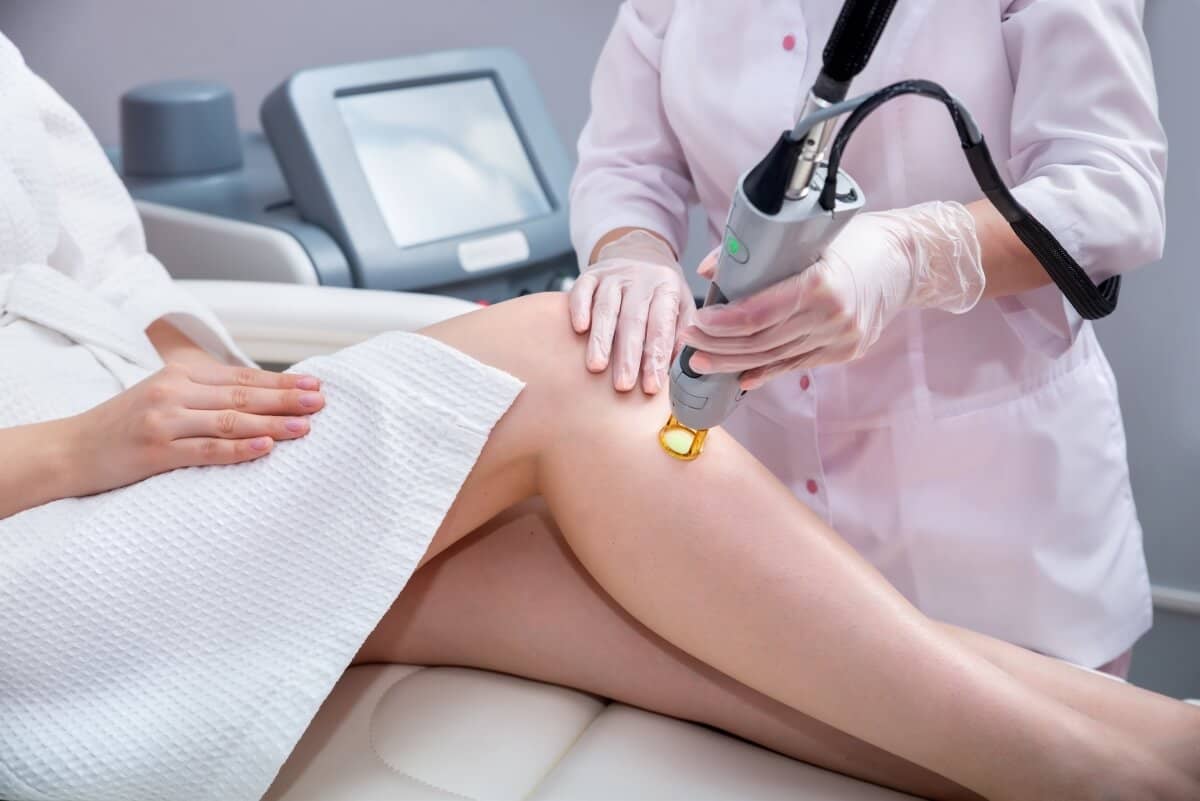
During the laser skin resurfacing procedure, a highly trained dermatologist or plastic surgeon will use a laser device to precisely target the damaged areas of the skin. The laser energy is absorbed by the water in the skin cells, causing the cells to heat up and vaporize. This process removes the outer layers of damaged skin, revealing the healthier, smoother skin beneath.
In addition to removing damaged skin, laser skin resurfacing also stimulates collagen production. Collagen is a protein that provides structure and support to the skin. As we age, our collagen levels naturally decrease, leading to sagging and wrinkles. By stimulating collagen production, laser skin resurfacing can help restore firmness and elasticity to the skin.
After the procedure, it is common for the treated area to be red, swollen, and sensitive. The skin may also peel or crust as it heals. It is important to follow the post-treatment instructions provided by the dermatologist or plastic surgeon to ensure proper healing and minimize the risk of complications.
While laser skin resurfacing can be highly effective for skin tightening, it is not suitable for everyone. People with certain skin conditions, such as active acne or eczema, may not be good candidates for the procedure. It is important to consult with a qualified professional to determine if laser skin resurfacing is the right treatment option for you.
In conclusion, laser skin resurfacing is a powerful tool in the field of dermatology and plastic surgery. It can effectively tighten the skin and improve its overall appearance. However, it is a more intensive treatment compared to other non-invasive options and requires careful consideration and proper aftercare. If you are considering laser skin resurfacing, be sure to consult with a qualified professional to discuss your goals and determine the best approach for your specific needs.
4. Microfocused Ultrasound with Visualization (MFU-V)
Microfocused ultrasound with visualization (MFU-V) is a cutting-edge skin tightening treatment that combines ultrasound technology with real-time visualization. This allows the provider to precisely target the layers of tissue that need tightening, resulting in optimal results.
During an MFU-V treatment, ultrasound energy is delivered to the deep layers of the skin, stimulating collagen production and tightening the tissue. The procedure is typically well-tolerated, with minimal discomfort. Results can be seen gradually over time, with continued improvement for up to six months. Most individuals require only one treatment session.
The MFU-V technology works by emitting ultrasound waves that penetrate the skin and reach the deeper layers, where collagen and elastin fibers reside. These waves generate heat, which triggers a natural healing response in the body. This response includes the production of new collagen, which helps to tighten and lift the skin.
What sets MFU-V apart from other skin tightening treatments is its real-time visualization feature. This allows the provider to see the layers of tissue being treated in real-time, ensuring precise targeting and avoiding any areas that do not require treatment. The visualization also helps the provider to monitor the progress of the treatment and make any necessary adjustments.
The MFU-V treatment is performed by a trained and experienced provider. Before the procedure, the provider will assess the patient’s skin and discuss their goals and expectations. They will then apply a gel to the treatment area, which helps to transmit the ultrasound waves and protect the skin. The provider will use a handheld device to deliver the ultrasound energy to the targeted areas, moving it in a systematic pattern to ensure even coverage.
Patients may feel a warm sensation during the treatment, but it is generally well-tolerated. The length of the procedure will depend on the size of the treatment area, but it typically takes between 30 minutes to an hour. After the treatment, there is no downtime, and patients can resume their normal activities immediately.
Over the following weeks and months, patients will notice gradual improvements in the tightness and texture of their skin. The full results of the MFU-V treatment can be seen after about six months, as the collagen production continues to stimulate and enhance the skin’s appearance.
It is important to note that while MFU-V can provide significant skin tightening results, it is not a substitute for surgical procedures such as facelifts or neck lifts. However, it can be an excellent option for individuals who are not ready for or do not want to undergo surgery, or as a complement to surgical procedures to enhance and maintain the results.
In conclusion, MFU-V is a state-of-the-art skin tightening treatment that combines ultrasound technology with real-time visualization for precise targeting of the tissue. With minimal discomfort and no downtime, patients can achieve gradual and long-lasting improvements in the tightness and texture of their skin. Whether used as a standalone treatment or in conjunction with surgical procedures, MFU-V offers a non-invasive option for individuals seeking to rejuvenate and tighten their skin.
5. Thread Lift
A thread lift is a minimally invasive procedure that provides immediate lifting and tightening effects. During a thread lift, dissolvable threads are inserted into the skin using a thin needle. These threads act as a scaffolding, lifting and supporting sagging tissues.
The threads used in a thread lift are made of biodegradable materials that stimulate collagen production. Over time, the threads dissolve, leaving behind a network of collagen that helps maintain the lifting effect. Results from a thread lift can last up to a year or more.
Thread lifts have gained popularity in recent years as a non-surgical alternative to traditional facelifts. This procedure is particularly appealing to individuals who want to achieve a more youthful appearance without the risks and downtime associated with surgery. During a thread lift, the threads are strategically placed to lift specific areas of the face, such as the cheeks, jowls, or eyebrows. The procedure can also be used to improve the appearance of the neck and jawline. The threads are inserted into the skin using a thin needle, and once in place, they are gently pulled to lift and tighten the targeted area. One of the main advantages of a thread lift is the immediate results it provides. Unlike other non-surgical treatments that require multiple sessions to see noticeable improvements, a thread lift offers instant lifting and tightening effects. This makes it an ideal option for individuals who have a special event coming up or simply want to enhance their appearance without delay. Another benefit of a thread lift is the long-lasting results it offers. While the threads themselves dissolve over time, the collagen that is stimulated by their presence helps maintain the lifting effect. This means that the results of a thread lift can last up to a year or more, depending on the individual’s skin condition and lifestyle factors. In addition to lifting and tightening the skin, a thread lift also stimulates collagen production. Collagen is a protein that gives the skin its structure and elasticity. As we age, our natural collagen production decreases, leading to sagging and wrinkles. By promoting collagen synthesis, a thread lift not only provides immediate results but also improves the overall quality and texture of the skin over time. It is important to note that while a thread lift is a minimally invasive procedure, it still carries some risks and potential side effects. These can include bruising, swelling, infection, and thread migration. Therefore, it is essential to consult with a qualified and experienced healthcare professional before undergoing a thread lift to ensure that it is the right option for you. In conclusion, a thread lift is a minimally invasive procedure that offers immediate lifting and tightening effects. It is a popular choice for individuals who want to achieve a more youthful appearance without undergoing surgery. With its long-lasting results and collagen-stimulating properties, a thread lift can help improve the overall quality and texture of the skin. However, it is important to carefully consider the potential risks and consult with a healthcare professional before deciding to undergo this procedure.