Hair Removal for Women’s Face
One of the most popular methods of facial hair removal is waxing. Waxing involves applying a layer of warm wax to the desired area and then quickly removing it, along with the hair, using a cloth strip. This method is effective in removing hair from the root, which means that the results can last for several weeks. Additionally, over time, waxing can lead to a reduction in hair growth, making it a long-term solution for many women.
Another common method of hair removal for the face is threading. This technique originated in the Middle East and involves using a twisted thread to swiftly remove individual hairs. Threading is particularly effective for shaping eyebrows and removing unwanted hair from the upper lip and chin. It is a relatively quick and precise method that can provide long-lasting results.
For women who prefer a more temporary solution, shaving is a popular choice. While shaving is often associated with removing hair from the legs or underarms, it can also be used to remove facial hair. However, it is important to note that shaving can lead to stubble and may need to be done more frequently compared to other methods.
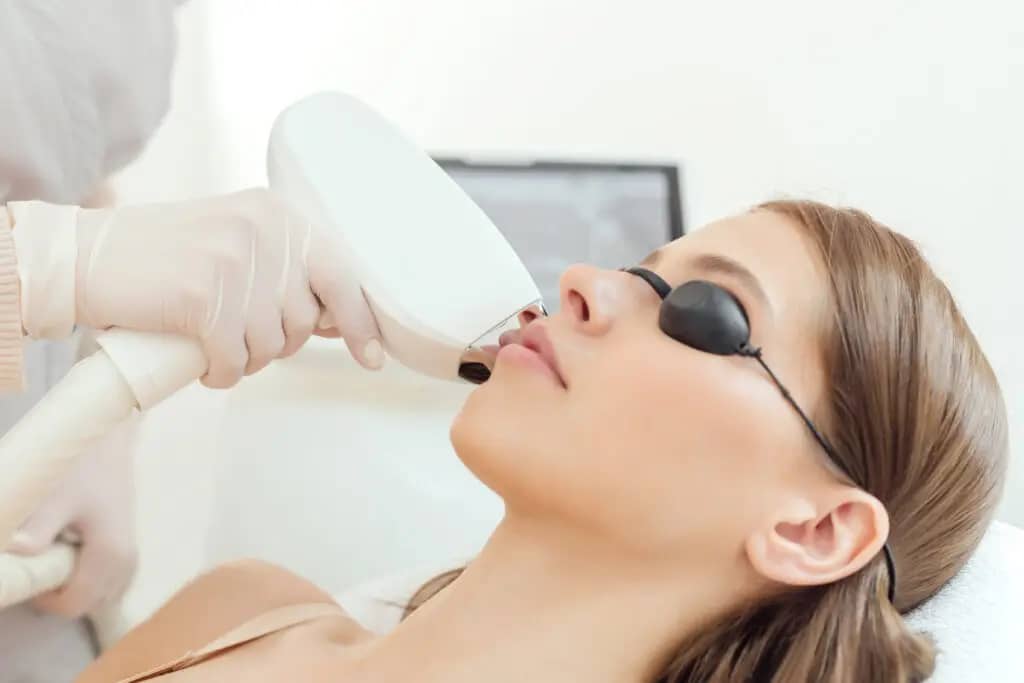
Laser hair removal is another option for women looking for a more permanent solution to facial hair. This procedure uses concentrated beams of light to target and destroy hair follicles, preventing future hair growth. Laser hair removal can be a more expensive option, but many women find it to be worth the investment for its long-lasting results.
Additionally, there are various hair removal creams and lotions available on the market that can effectively remove facial hair. These products work by breaking down the hair’s protein structure, allowing it to be easily wiped away. However, it is important to follow the instructions carefully and perform a patch test before using these products to avoid any potential skin irritation or allergies.
In conclusion, facial hair removal is a personal choice that can greatly impact a woman’s confidence and self-esteem. Whether opting for waxing, threading, shaving, laser hair removal, or using hair removal creams, it is important to choose a method that suits individual preferences and skin type. Consulting with a professional esthetician or dermatologist can help determine the best approach for achieving smooth, hair-free skin on the face.
While shaving is a popular method of hair removal, it may not be the most suitable option for removing facial hair for women. The notion that shaving causes hair to grow back thicker and darker is a common misconception. In reality, when you shave, you are cutting the hair at its thickest point, giving it a blunt edge. As the hair grows back, it may appear coarser and darker simply because it hasn’t been tapered by a natural growth cycle.
Despite this, shaving can still lead to some undesirable side effects when used on the face. The skin on the face is more delicate and sensitive compared to other parts of the body, making it more prone to irritation and razor bumps. These can be particularly bothersome for women who have sensitive skin or are prone to developing ingrown hairs.
To minimize the risk of irritation and razor bumps, there are a few precautions that can be taken when shaving facial hair. Firstly, it is important to use a clean and sharp razor to ensure a smooth shave. Dull blades can cause tugging and pulling, leading to skin irritation. Additionally, using a shaving cream or gel can help to lubricate the skin and provide a barrier between the razor and the skin, reducing the chances of irritation.
Another option to consider is using an electric razor specifically designed for women’s facial hair removal. These razors are designed to be gentle on the skin and minimize the risk of irritation. They often come with different attachments and settings to cater to different hair lengths and skin types.
Alternatively, there are other methods of hair removal that may be more suitable for women looking to remove facial hair. Waxing, for example, can provide longer-lasting results as it removes the hair from the root. However, it can be a more painful process and may not be suitable for those with sensitive skin. Another option is using depilatory creams, which dissolve the hair at the surface level. These creams can be effective, but it is important to follow the instructions carefully and perform a patch test to ensure there are no adverse reactions.
In conclusion, while shaving can be a quick and convenient method of hair removal, it may not be the best option for removing facial hair for women. It can lead to potential skin irritations and razor bumps, especially on sensitive areas of the face. Exploring alternative methods such as waxing or using depilatory creams may provide more suitable and longer-lasting results for those looking to remove facial hair.
Despite the potential discomfort and temporary side effects, many people choose waxing as their preferred method of hair removal for several reasons. One of the main advantages of waxing is the long-lasting results it provides. Unlike shaving, which only removes the hair at the surface level, waxing removes the hair from the root. This means that it takes longer for the hair to grow back, resulting in smoother skin for a longer period of time.
Another benefit of waxing is that it can be done on various parts of the body, including the face, arms, legs, and bikini area. This versatility makes it a convenient option for those who want to remove hair from multiple areas. Additionally, waxing is suitable for both fine and coarse hair, making it an effective method for people with different hair types.
Furthermore, waxing can lead to hair regrowth that is finer and thinner over time. With regular waxing sessions, the hair follicles can become weaker, resulting in hair that is less noticeable and easier to remove. This can be particularly beneficial for those who struggle with thick or dark hair and want to achieve a more subtle and natural look.
It is important to note that there are different types of waxing available, including hot wax and cold wax. Hot wax is typically used for larger areas of the body, such as the legs and back, while cold wax is often used for smaller areas like the eyebrows and upper lip. The choice between the two depends on personal preference and the sensitivity of the skin.
Overall, waxing is a popular hair removal method due to its long-lasting results, versatility, and potential for finer hair regrowth. However, it is essential to consider individual pain tolerance and skin sensitivity before opting for this method. Consulting with a professional esthetician can help determine the best approach and ensure a safe and effective waxing experience.
3. Threading
Threading is an ancient hair removal technique that originated in the Middle East and South Asia. It involves using a twisted cotton thread to pluck out unwanted hair from the roots. Threading is particularly effective for shaping eyebrows and removing facial hair from smaller areas, such as the upper lip and chin. This method is relatively painless and provides precise results, but it may not be suitable for those with very sensitive skin or certain skin conditions.
Threading has been practiced for centuries and is still widely used today due to its numerous benefits. One of the main advantages of threading is its precision. Unlike other hair removal methods, such as waxing or tweezing, threading allows the technician to target individual hairs with accuracy. This makes it an ideal choice for shaping eyebrows, as the thread can be maneuvered to create clean lines and defined arches. Another benefit of threading is that it is a gentle method of hair removal. The twisted cotton thread is rolled over the skin, trapping and removing the hair from the follicle. This technique is less abrasive compared to waxing, which can sometimes cause irritation or redness, especially for those with sensitive skin. Threading is also a good option for individuals who are allergic to wax or have skin conditions that may be aggravated by other hair removal techniques. Furthermore, threading is a quick and efficient method. The technician can remove multiple hairs at once by using the thread to create a loop and then swiftly pulling it in the opposite direction of hair growth. This makes threading a time-saving option, especially for smaller areas like the upper lip or chin. However, it is important to note that threading may not be suitable for everyone. Individuals with very sensitive skin or certain skin conditions, such as eczema or psoriasis, may experience discomfort or irritation during the threading process. It is always recommended to consult with a professional before undergoing any hair removal procedure to determine the best method for your specific needs and skin type. In conclusion, threading is an ancient hair removal technique that offers precise results and is particularly effective for shaping eyebrows and removing facial hair from smaller areas. It is a gentle and efficient method that is suitable for many individuals, but it may not be suitable for those with very sensitive skin or certain skin conditions. As with any hair removal method, it is important to consult with a professional to ensure the best results and minimize any potential risks or discomfort.
4. Depilatory Creams
Depilatory creams, also known as hair removal creams, are chemical-based products that work by breaking down the proteins in the hair, allowing it to be easily wiped away. These creams are typically applied to the desired area and left on for a specific amount of time before being removed with a spatula or damp cloth. Depilatory creams are convenient to use and can effectively remove facial hair, but they may cause skin irritation and allergic reactions in some individuals.
Depilatory creams have been a popular choice for many individuals seeking a quick and painless method of hair removal. The active ingredient in these creams is usually a chemical called calcium thioglycolate or potassium thioglycolate. These chemicals work by disrupting the disulfide bonds in the hair, which are responsible for its strength and structure. Once the bonds are broken, the hair becomes weak and can be easily wiped away. One of the advantages of depilatory creams is their ease of use. They can be applied at home without the need for any special equipment or professional assistance. The process usually involves spreading a thick layer of the cream over the desired area and waiting for a specified amount of time, typically around 5-10 minutes. During this time, the cream works to break down the proteins in the hair, making it easier to remove. After the recommended time has elapsed, the cream can be removed using a spatula or a damp cloth. It is important to follow the instructions provided with the product to ensure safe and effective hair removal. Some creams may also come with a moisturizing lotion or gel that can be applied after hair removal to soothe the skin and minimize any potential irritation. While depilatory creams can be an effective method of hair removal, they do come with some potential drawbacks. One common issue is skin irritation, which can range from mild redness and itching to more severe reactions such as rashes or burns. It is important to do a patch test on a small area of skin before using the cream on a larger area to check for any adverse reactions. Additionally, some individuals may be allergic to the ingredients in depilatory creams. It is important to carefully read the product labels and check for any known allergens before using the cream. If you have a history of skin allergies or sensitivities, it may be best to consult with a dermatologist before using a depilatory cream. In conclusion, depilatory creams offer a convenient and relatively painless method of hair removal. However, it is important to be aware of the potential risks and side effects associated with these products. If used correctly and with caution, depilatory creams can be an effective option for removing unwanted facial hair.
5. Laser Hair Removal
Laser hair removal is a long-term hair removal solution that uses concentrated beams of light to target and destroy the hair follicles. This method is highly effective in reducing and preventing hair growth, and it can be used on various areas of the face, including the upper lip, chin, and cheeks. Laser hair removal typically requires multiple sessions for optimal results, and it may not be suitable for individuals with certain skin tones or hair colors.
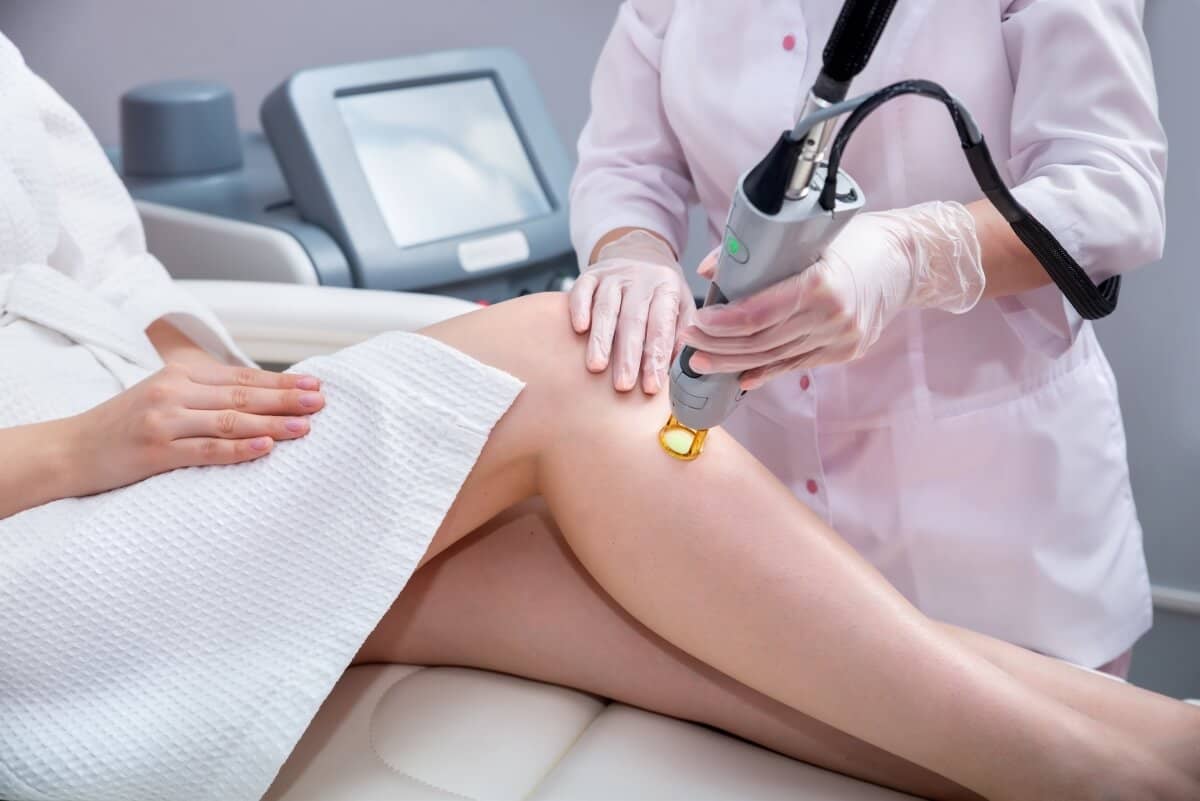
Laser hair removal works by emitting a specific wavelength of light that is absorbed by the pigment in the hair follicles. The light energy is then converted into heat, which damages the follicles and inhibits future hair growth. The procedure is safe and FDA-approved, but it is important to note that results may vary depending on individual factors such as hair type, skin color, and hormone levels. One of the main advantages of laser hair removal is its long-lasting effects. Unlike temporary methods like shaving or waxing, laser hair removal targets the root of the hair, leading to a significant reduction in hair growth over time. Most people experience a 70-90% reduction in hair after a series of treatments, with some even achieving permanent hair loss in the treated areas. The versatility of laser hair removal is another reason why it has become a popular choice among individuals seeking a more permanent solution to unwanted facial hair. It can be used on various skin types, including fair, olive, and dark skin tones. However, it is important to consult with a qualified professional to determine if you are a suitable candidate for the procedure. During the laser hair removal session, a trained technician will use a handheld device to deliver the laser pulses to the targeted areas. The treatment is generally well-tolerated, with most people experiencing only minimal discomfort, often described as a snapping sensation or slight tingling. After the treatment, some redness or swelling may occur, but these side effects typically subside within a few hours. It is worth noting that laser hair removal is not an instant solution. Multiple sessions are usually required to achieve optimal results, as hair grows in cycles and the laser can only target actively growing hairs. On average, 6-8 sessions are recommended, spaced about 4-6 weeks apart, to effectively treat the desired area. However, the exact number of sessions needed may vary depending on individual factors and treatment goals. In conclusion, laser hair removal is a highly effective and long-lasting solution for facial hair removal. It offers a convenient and relatively painless way to achieve smooth, hair-free skin. However, it is important to consult with a qualified professional to determine if you are a suitable candidate for the procedure and to discuss any potential risks or limitations. With the right approach and proper care, laser hair removal can provide a permanent reduction in unwanted facial hair, giving you the confidence and freedom to embrace your natural beauty.
6. Electrolysis
Electrolysis is a highly effective and precise method of permanent hair removal. Unlike other hair removal techniques, such as waxing or shaving, electrolysis targets the hair follicle directly, ensuring that the hair does not grow back. The process involves the insertion of a fine needle into each individual hair follicle, followed by the delivery of a small electric current. This current destroys the hair root, preventing any further hair growth.
One of the major advantages of electrolysis is its suitability for all skin and hair types. Whether you have fair or dark skin, fine or coarse hair, electrolysis can be tailored to meet your specific needs. It is also a versatile method that can be used on any part of the face, including the eyebrows, upper lip, chin, and even the hairline.
However, it is important to note that electrolysis is a time-consuming process. Each hair follicle needs to be treated individually, which means that multiple sessions are often required to achieve permanent results. The number of sessions needed will depend on various factors, including the density of hair in the treatment area and the individual’s hair growth cycle.
When considering electrolysis, it is crucial to choose a licensed and experienced electrologist. This ensures that the procedure is carried out safely and effectively. An experienced electrologist will have the knowledge and skills to determine the appropriate settings for the electric current, minimizing discomfort and maximizing results.
During the electrolysis session, you may experience a mild sensation, similar to a pinprick or a slight stinging feeling. However, most people find the discomfort to be tolerable, especially when compared to the long-term benefits of permanent hair removal.
After each session, it is common to experience some redness or swelling in the treated area. This is a normal reaction and usually subsides within a few hours. It is important to follow the aftercare instructions provided by your electrologist to ensure proper healing and minimize the risk of infection.
In conclusion, electrolysis is a highly effective and versatile method of permanent hair removal. While it may require multiple sessions and a time commitment, the results are long-lasting and can greatly improve your confidence and self-esteem. By choosing a licensed and experienced electrologist, you can ensure that the procedure is carried out safely and effectively, providing you with the smooth, hair-free skin you desire.