Rosacea: Causes, Symptoms, Treatment, and Management
Although the exact cause of rosacea remains unknown, researchers have identified several factors that may contribute to its development. One possible cause is an abnormal immune response, where the body’s immune system mistakenly attacks the blood vessels in the face, leading to inflammation and redness. Another theory suggests that the microscopic mites called Demodex, which naturally reside on the skin, may play a role in triggering the condition. It is believed that these mites can cause an overgrowth of bacteria, leading to inflammation and the characteristic symptoms of rosacea.
In addition to genetic and immune factors, environmental triggers can also exacerbate rosacea symptoms. These triggers can vary from person to person, but common ones include exposure to sunlight, extreme temperatures, spicy foods, alcohol, and certain skincare products. Identifying and avoiding these triggers can help individuals manage their symptoms and prevent flare-ups.
The signs and symptoms of rosacea can vary in severity and may include persistent facial redness, visible blood vessels (telangiectasia), small red bumps (papules), and in more severe cases, the development of thickened skin and a bulbous nose (rhinophyma). Individuals with rosacea may also experience a burning or stinging sensation on their face, as well as dryness and sensitivity.
While there is no cure for rosacea, there are various treatment options available to help manage the symptoms and improve the overall appearance of the skin. Topical medications, such as creams and gels containing antibiotics, can be used to reduce inflammation and control the redness. In some cases, oral medications, such as antibiotics or isotretinoin, may be prescribed to target the underlying causes of rosacea.
In addition to medication, lifestyle modifications can also play a crucial role in managing rosacea. It is important for individuals with this condition to establish a gentle skincare routine using non-irritating products and to protect their skin from sun exposure by using sunscreen and wearing a wide-brimmed hat. Avoiding known triggers, such as spicy foods and alcohol, can also help prevent flare-ups.
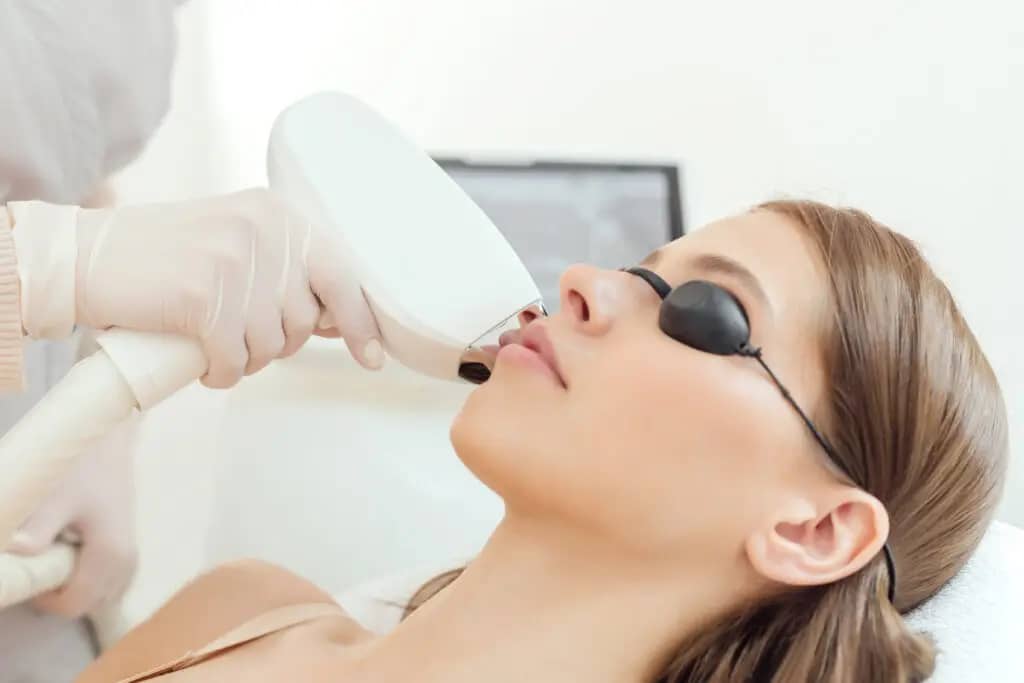
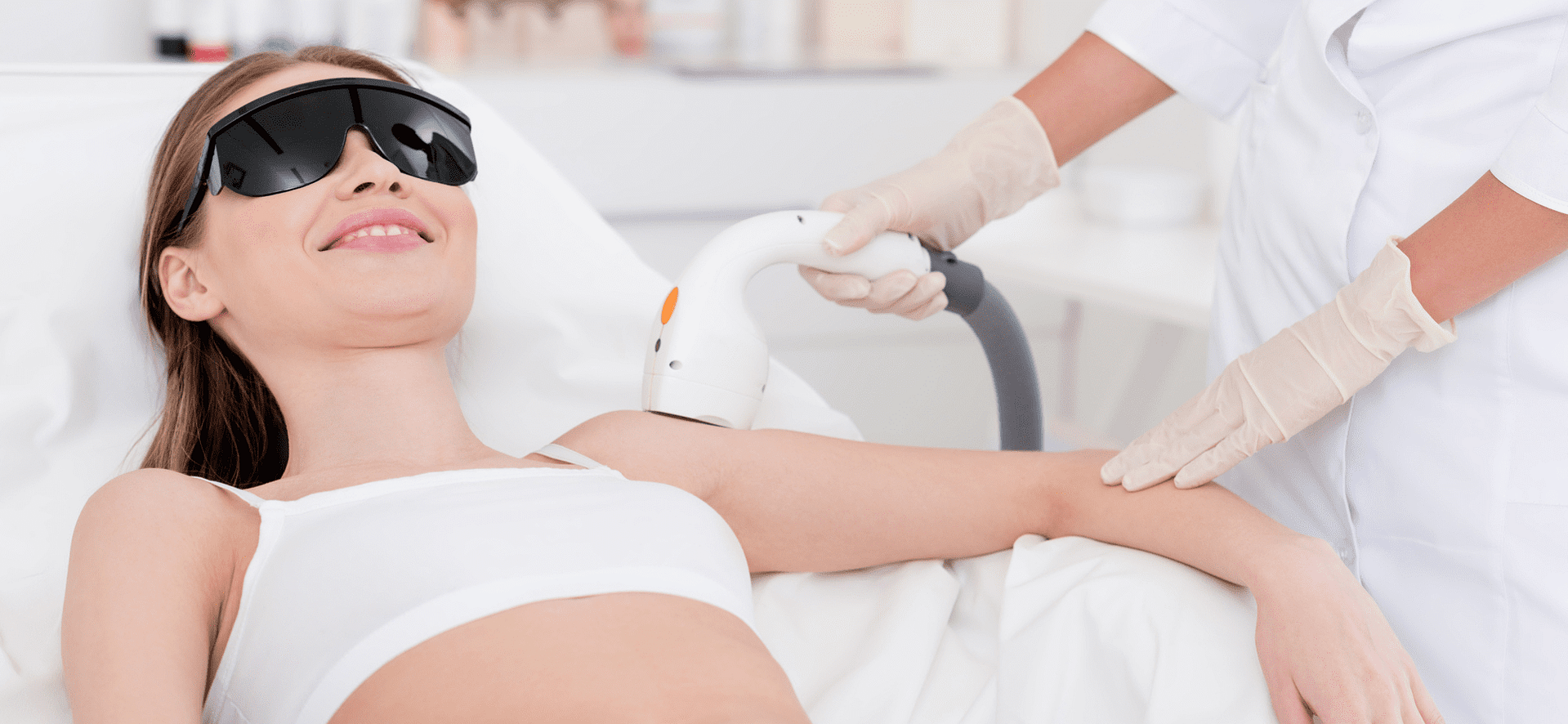
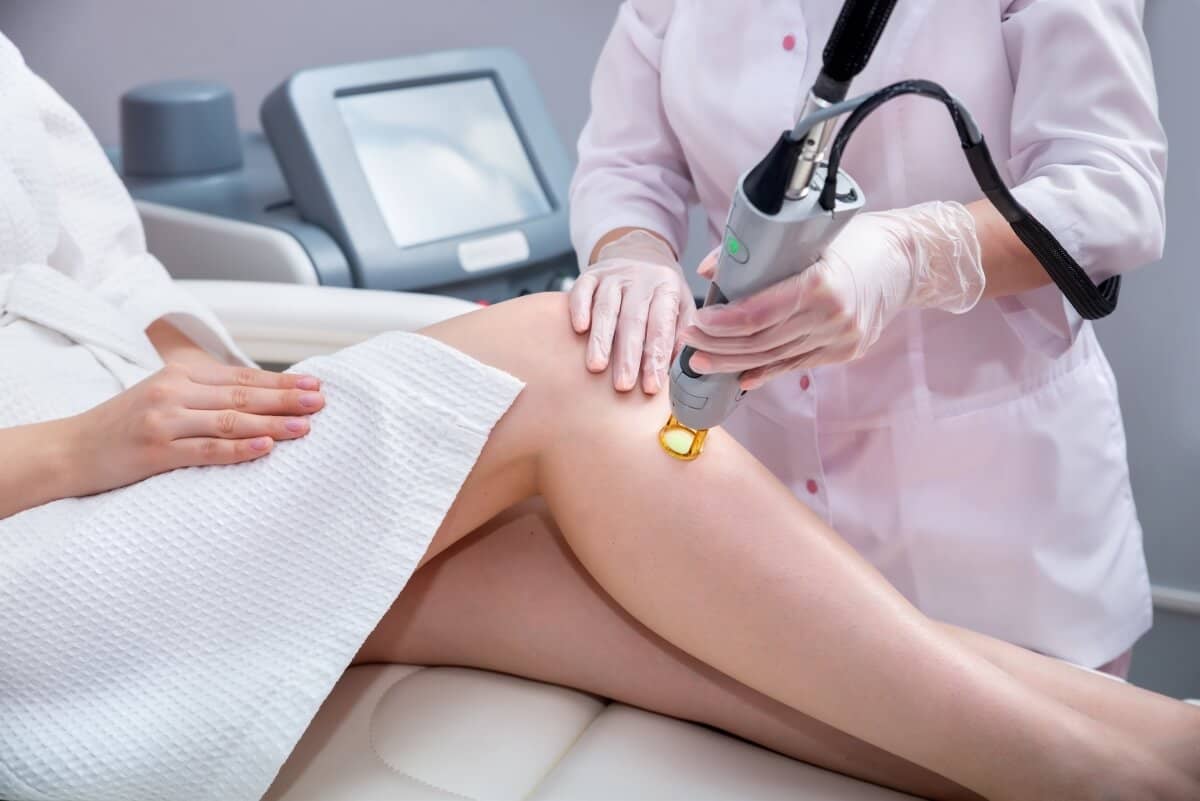
In more severe cases of rosacea, laser or light therapies may be recommended to reduce redness, eliminate visible blood vessels, and improve the texture of the skin. These treatments work by targeting the blood vessels and reducing their visibility. However, it is important to note that these procedures may require multiple sessions and may not be suitable for everyone.
Overall, while rosacea can be a chronic and frustrating condition, with the right treatment and lifestyle modifications, individuals can effectively manage their symptoms and improve the appearance of their skin. Consulting with a dermatologist is essential for an accurate diagnosis and the development of a personalized treatment plan.
Symptoms of Rosacea
Rosacea typically develops gradually and may vary in severity from person to person. Some of the common symptoms include:
- Facial redness: The central part of the face, including the cheeks, nose, forehead, and chin, may appear flushed or reddened. This redness is often persistent and can worsen with triggers such as heat, cold, spicy foods, alcohol, or stress.
- Visible blood vessels: Small, thin blood vessels may become visible on the skin, giving a spider-like appearance. These blood vessels, known as telangiectasia, are more commonly seen on the cheeks and nose.
- Bumps and pimples: Some individuals may experience small red bumps or acne-like breakouts on their face. These bumps, known as papules or pustules, can be filled with pus and may resemble acne. However, unlike acne, they are not caused by clogged pores.
- Burning or stinging sensation: The affected skin may feel hot, tender, or irritated. This sensation can be uncomfortable and may be accompanied by itching or a tight feeling.
- Eye problems: In some cases, rosacea can lead to eye dryness, irritation, and redness. This condition, known as ocular rosacea, can cause a gritty feeling in the eyes, sensitivity to light, and blurred vision.
It is important to note that not everyone with rosacea will experience all of these symptoms. The condition can present differently in each individual, and the severity of symptoms can also vary. Some individuals may only have mild facial redness, while others may experience more pronounced symptoms such as bumps and eye problems.
If you suspect that you may have rosacea, it is recommended to consult with a dermatologist for an accurate diagnosis and appropriate treatment. Early intervention can help manage the symptoms and prevent the condition from worsening.
One of the most common treatments for rosacea is topical medications. These medications are applied directly to the affected areas of the skin and can help reduce redness, inflammation, and the appearance of blood vessels. Topical medications often contain ingredients such as metronidazole, azelaic acid, or sulfur, which have been found to be effective in managing the symptoms of rosacea.
In addition to topical medications, oral medications may also be prescribed for more severe cases of rosacea. Oral antibiotics, such as tetracycline or doxycycline, are often used to reduce inflammation and control the bacteria that can contribute to flare-ups. These medications are typically taken for a period of several weeks or months, depending on the individual’s response to treatment.
Another treatment option for rosacea is laser therapy. This involves using a laser to target and destroy the blood vessels that are causing the redness and visible blood vessels on the skin. Laser therapy can be an effective way to reduce the appearance of these symptoms and improve the overall appearance of the skin. However, multiple sessions may be required to achieve the desired results.
In addition to medical treatments, there are also lifestyle changes that can help manage the symptoms of rosacea. It is important for individuals with rosacea to identify and avoid triggers that can cause flare-ups, such as spicy foods, hot beverages, alcohol, and extreme temperatures. Gentle skincare routines and the use of non-irritating skincare products can also help minimize irritation and inflammation.
In some cases, individuals with rosacea may benefit from counseling or support groups to help them cope with the emotional impact of the condition. Rosacea can often have a significant impact on a person’s self-esteem and confidence, and having a support system in place can be helpful in managing these feelings.
Overall, while there is no cure for rosacea, there are a variety of treatment options available to help manage the symptoms and improve the appearance of the skin. By working closely with a healthcare professional, individuals with rosacea can find a treatment plan that works best for them and allows them to live a comfortable and confident life.
1. Topical Medications
Topical medications are often the first line of treatment for rosacea. These medications are applied directly to the skin and may include:
- Topical antibiotics: These medications help reduce inflammation and control the bacteria associated with rosacea. They work by killing or inhibiting the growth of bacteria on the skin’s surface. Commonly prescribed topical antibiotics for rosacea include clindamycin, erythromycin, and metronidazole. These antibiotics can help reduce the redness, bumps, and pustules associated with rosacea.
- Azelaic acid: This medication helps to normalize the skin and reduce redness and inflammation. Azelaic acid is a naturally occurring acid that is derived from grains such as wheat, rye, and barley. It works by reducing the production of keratin, a protein that can clog the pores and contribute to the development of rosacea symptoms. Azelaic acid also has antimicrobial properties, which can help control the bacteria associated with rosacea.
- Metronidazole: Metronidazole is an antibiotic gel or cream that helps to reduce inflammation and redness. It is believed to work by reducing the production of inflammatory substances in the skin and inhibiting the growth of bacteria. Metronidazole is available in different formulations, including gels, creams, and lotions. It is typically applied once or twice daily to the affected areas of the skin.
While topical medications can be effective in treating mild to moderate rosacea, they may not be sufficient for more severe cases. In such cases, oral medications or other treatment options may be necessary. It is important to consult with a dermatologist to determine the most appropriate treatment plan for your specific condition.
2. Oral Medications
In some cases, oral medications may be prescribed to manage moderate to severe rosacea symptoms. These medications include:
- Oral antibiotics: Antibiotics such as doxycycline or tetracycline may be prescribed to reduce inflammation and control the bacteria associated with rosacea. These antibiotics work by targeting the bacteria that contribute to the development of papules and pustules, helping to clear the skin and reduce redness. They are often used in combination with topical treatments to provide comprehensive relief.
- Isotretinoin: Isotretinoin is a powerful medication that is reserved for severe cases of rosacea that do not respond to other treatments. It belongs to a class of drugs called retinoids and is typically used to treat severe acne. Isotretinoin works by reducing the production of oil in the skin, minimizing inflammation, and preventing the formation of new lesions. However, it is important to note that isotretinoin can have significant side effects and should only be used under the close supervision of a dermatologist.
- Anti-inflammatory medications: In addition to antibiotics and isotretinoin, other oral medications may be prescribed to help manage the inflammation associated with rosacea. These may include nonsteroidal anti-inflammatory drugs (NSAIDs) or corticosteroids. NSAIDs can help reduce redness and swelling, while corticosteroids can provide short-term relief from inflammation. However, prolonged use of corticosteroids can lead to skin thinning and other side effects, so they are typically used for short periods of time and under close medical supervision.
It is important to note that oral medications are typically used in conjunction with other treatments, such as topical creams and lifestyle modifications, to provide the best results for managing rosacea. Your dermatologist will work with you to determine the most appropriate treatment plan based on the severity of your symptoms and your individual needs.
3. Laser and Light Therapies
Laser and light therapies are effective in reducing the redness and visible blood vessels associated with rosacea. These treatments work by targeting the blood vessels and reducing their appearance. Common types of laser and light therapies used for rosacea include:
- Intense Pulsed Light (IPL) therapy: IPL uses broad-spectrum light to target and destroy the blood vessels, reducing redness.
- Pulsed dye laser: This laser specifically targets the blood vessels, causing them to shrink and fade.
- Photodynamic therapy (PDT): This treatment involves applying a photosensitizing agent to the skin, which is then activated by a specific wavelength of light. The activated agent destroys the abnormal blood vessels, reducing redness and improving overall skin appearance.
- Fractional laser resurfacing: This treatment uses a laser to create tiny micro-wounds in the skin, stimulating collagen production and improving skin texture. It can also help reduce redness and visible blood vessels.
It is important to note that laser and light therapies may require multiple sessions to achieve optimal results. The number of sessions needed depends on the severity of the rosacea and the individual’s response to treatment. Additionally, these therapies may cause temporary side effects such as redness, swelling, and mild discomfort, which typically resolve within a few days.
Before undergoing any laser or light therapy, it is essential to consult with a dermatologist who specializes in rosacea treatment. They will assess your skin condition, discuss the potential benefits and risks of the treatment, and create a personalized treatment plan tailored to your specific needs.
4. Lifestyle Changes
Alongside medical treatments, certain lifestyle changes can help manage rosacea symptoms. These include:
- Gentle skincare routine: Using mild, non-irritating cleansers and moisturizers can help soothe the skin and reduce redness. It is important to avoid harsh products that can further irritate the skin and worsen the symptoms of rosacea. Additionally, individuals with rosacea should avoid scrubbing or rubbing their face vigorously, as this can exacerbate the condition.
- Sun protection: Protecting the skin from the sun’s harmful rays by wearing sunscreen and a wide-brimmed hat can prevent flare-ups. Sun exposure is a common trigger for rosacea symptoms, and individuals with the condition should take extra precautions when spending time outdoors. It is recommended to use a broad-spectrum sunscreen with an SPF of 30 or higher and to reapply it every two hours.
- Avoiding triggers: Identifying and avoiding triggers such as spicy foods, hot beverages, alcohol, and extreme temperatures can help reduce symptoms. While triggers can vary from person to person, it is important for individuals with rosacea to pay attention to their diet and lifestyle habits to determine what factors may be contributing to their symptoms. Keeping a journal can be helpful in tracking flare-ups and identifying potential triggers.
- Stress management: Practicing stress-reducing techniques, such as meditation or yoga, can help minimize flare-ups. Stress is known to worsen rosacea symptoms, so finding effective ways to manage stress is crucial for individuals with the condition. Engaging in regular exercise, getting enough sleep, and seeking support from friends, family, or a therapist can also help in managing stress levels.
In addition to these lifestyle changes, individuals with rosacea may benefit from seeking professional help and support. Dermatologists and other healthcare providers who specialize in skin conditions can provide personalized advice and treatment options tailored to the individual’s specific needs. It is important to remember that rosacea is a chronic condition, and while it cannot be cured, with the right combination of medical treatments and lifestyle modifications, individuals can effectively manage their symptoms and improve their quality of life.
5. Dermatological Procedures
In some cases, dermatological procedures may be recommended to improve the appearance of the skin affected by rosacea. These procedures include:
- Cryotherapy: This procedure involves freezing the affected blood vessels to reduce redness and inflammation. During the procedure, a dermatologist applies liquid nitrogen to the affected areas, causing the blood vessels to constrict and ultimately fade away. Cryotherapy is particularly effective for targeting individual blood vessels and can provide significant improvement in reducing the redness associated with rosacea.
- Dermabrasion: Dermabrasion is a procedure that uses a rotating brush to remove the top layer of skin, reducing the appearance of bumps and improving texture. This procedure is often recommended for individuals with rosacea who have developed thickened skin or visible blood vessels. During the procedure, a dermatologist carefully exfoliates the skin, removing the damaged outer layer and revealing fresh, smoother skin underneath. Dermabrasion can help to minimize the appearance of bumps and uneven skin texture caused by rosacea, resulting in a more even and refined complexion.
In addition to cryotherapy and dermabrasion, there are other dermatological procedures that may be considered for the treatment of rosacea. One such procedure is laser therapy. Laser therapy uses intense beams of light to target and destroy the dilated blood vessels that contribute to the redness and flushing associated with rosacea. This treatment option can provide long-term reduction in redness and improve the overall appearance of the skin. Another procedure that may be recommended is intense pulsed light (IPL) therapy. IPL therapy uses broad-spectrum light to target and heat the blood vessels responsible for the redness and flushing associated with rosacea. The heat causes the blood vessels to collapse and be absorbed by the body, resulting in a reduction in redness and an improvement in skin tone. In some cases, a combination of these procedures may be recommended to achieve optimal results. For example, a dermatologist may suggest a series of IPL treatments followed by cryotherapy to target both the underlying blood vessels and the visible redness on the surface of the skin. It is important to note that while dermatological procedures can provide significant improvement in the appearance of rosacea, they are not a cure for the condition. It is essential to continue with a comprehensive skincare routine and follow the advice of a dermatologist to manage and control rosacea effectively. Additionally, these procedures may have some associated risks and side effects, so it is crucial to consult with a qualified dermatologist to determine the most appropriate treatment plan for individual needs.